

Franchise Cost vs Profit in the USA: Real Numbers Compared

By Azka — Financial Enthusiast
Unlocking the truth behind franchise costs, ongoing fees, profits, and real ROI. If you’re thinking about franchising in the United States, we break down real numbers — not sales pitches.
📌 What Is a Franchise & Why Costs Matter
A franchise is a business model where you pay for the right to operate under a franchisor’s brand with proven systems, training, and support. While this can significantly reduce startup risk versus an independent business, it’s vital to understand how costs affect profitability.
Authoritative reference: The U.S. Small Business Administration (SBA) explains franchise fees, royalties, and marketing contributions in detail — and warns that total upfront cost is typically higher than just the franchise fee. (SBA)
Read Also :
Low-Cost vs High-Return Franchise in the USA: Which One Wins?
Top 5 Most Profitable Franchise Businesses in the USA — 2026 Guide (With ROI Insights)
Dunkin’ vs Starbucks: Franchise Cost, Profit & Risk Comparison (2026 Guide)
💰 Typical Franchise Costs in the USA
Franchise investment costs vary widely depending on the brand and industry — from under $50,000 to multiple millions.
🔹 Initial Costs Breakdown
| Cost Type | What It Is | Typical USA Range |
|---|---|---|
| Franchise Fee | One-time licensing cost | $10,000 – $100,000+ (Encyclopedia Britannica) |
| Build-Out & Equipment | Physical location, equipment | $50,000 – $500,000+ (startcosts.com) |
| Training & Opening Support | Onboarding & start launch | Included in fee or extra |
| Working Capital | Initial operating cash | $20,000 – $200,000+ |
📊 For example, franchises like McDonald’s often cost $1.5M–$2.7M, while smaller service brands might be under $100,000. (Business Insider)
🔹 Ongoing Fees
| Fee Type | Typical Cost | Notes |
|---|---|---|
| Royalty Fee | 4% – 12% of revenue (franchiseio.com) | Paid regularly for brand/system access |
| Marketing/Ad Fund | 1% – 5% of revenue (franchiseki.com) | Supports national/regional ads |
| Technology/Support Fees | Variable (franchiseki.com) | POS, reporting, training |
These ongoing fees directly reduce net profit — a critical factor when evaluating ROI.
📊 Real Franchise Cost vs Profit Comparison
Here’s a snapshot of actual franchise financial metrics from widely available disclosure documents and industry data:
| Brand | Initial Investment | Estimated Annual Sales | Ongoing Royalty | Notes |
|---|---|---|---|---|
| Chick-fil-A | $426,735 – $2.3M | ~$9.3M+ average | 15% + profit share (Business Insider) | Very high sales potential; stringent rules |
| McDonald’s | $1.5M – $2.7M | ~$3.5M | ~4–5% (Business Insider) | Lower margins after fees |
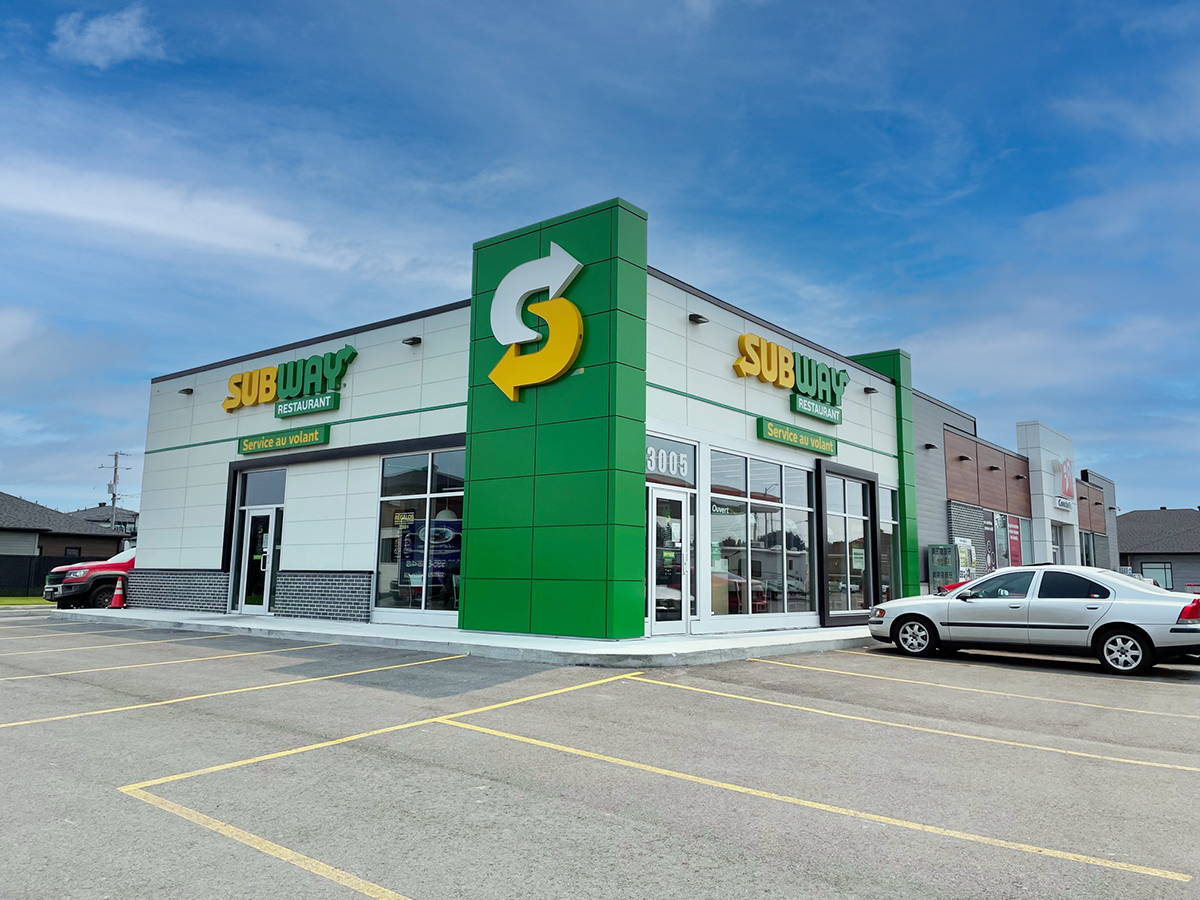

| Subway | ~$199K – $537K | ~$490K | ~8% (Business Insider) | Lower upfront cost but lower sales |
| Service Franchise | $50K – $200K | ~$250K – $500K | 6% – 10% (startcosts.com) | Varies by niche |
Note: Sales (# of customers & pricing) do not equal profit. After royalties, labor, rent, materials, and taxes, profit margins typically fall between 6–25% depending on industry. (P3 Cost Analysts)
📈 Franchise vs Independent Business: Hard Numbers
| Feature | Franchise | Independent Startup |
|---|---|---|
| Brand Recognition | Instant | Must build from scratch |
| Startup Cost | High | Varies (Often lower) |
| Learning Curve | Shorter (proven systems) | Longer |
| Ongoing Fees | 4–12%+ revenue | None |
| Success Rate | ~70% surviving 5 years (startcosts.com) | ~50% surviving 5 years (startcosts.com) |
| Profit Potential | Capped by fees | Unlimited |
🤔 Which Is Right for You?
👉 Franchise Ownership might suit you if:
You want brand recognition immediately
You prefer structured processes & support
You value proven systems and shorter paths to revenue
👉 Independent Startup might suit you if:
You want full control of operations
You can market and grow organically
You want to keep all profits without ongoing franchise payments
Choose based on your risk tolerance, capital availability, and long-term goals.
Read Also :
Which Franchise Wins? A Comprehensive Comparison of Two U.S. Business Giants
Franchise Face‑Off: Comparing Two Top U.S. Businesses for 2026
From Investment to ROI: Comparing Two Major U.S. Franchise Opportunities
📌 Hidden Costs Every Investor Must Consider
Beyond the obvious fees, real world franchise profit can be significantly affected by:
Supply markups and technology subscriptions (Azgari)
Insurance, compliance, and quality audits (franchisecreator.com)
Personnel and payroll costs (P3 Cost Analysts)
Marketing fees that may not directly result in ROI (franchiseki.com)
These functionally reduce your profit margins — sometimes dramatically.

Investing in a franchise is not guaranteed profitable. Costs vary widely, and past performance is not predictive of future results. You should consult with:
A financial advisor
A franchise attorney
Current franchisees in the system
Always review the Franchise Disclosure Document (FDD) — a mandatory legal disclosure in the U.S. from franchisors regulated by the Federal Trade Commission (FTC). (franchiseio.com)
📌 Official & Authoritative Resources
For deeper insights and official guidelines:
📘 U.S. Small Business Administration (SBA) – Franchise Fees Guide: https://www.sba.gov/blog/franchise-fees-why-do-you-pay-them-how-much-are-they (SBA)
📊 International Franchise Association (IFA) – Industry benchmarks and standards (search IFA official site) (franchiseio.com)
📄 FTC Franchise Rule & FDD requirements: ftc.gov (official government site)
🛠️ Visual Examples: Franchise Investment Products (USA Focus)

💡 Ready to Deep Dive?
📌 Compare Franchise Investment Platforms
👉 Evaluate fees, financing options, and brand opportunities from leading platforms.
📌 Check Current SBA Loan Rates
👉 See current small business financing costs for franchise buyers.
🧑💼 About the Author
Azka – Financial Enthusiast
Azka is a passionate content creator focused on financial education, business investment strategies, and entrepreneurial growth. With a keen interest in helping individuals make smarter business decisions, Azka combines data-driven insights with actionable guidance tailored for both new and experienced investors.