
Stocks vs Bonds: Which Investment Is Safer in 2026?
The Ultimate Guide for U.S. Investors
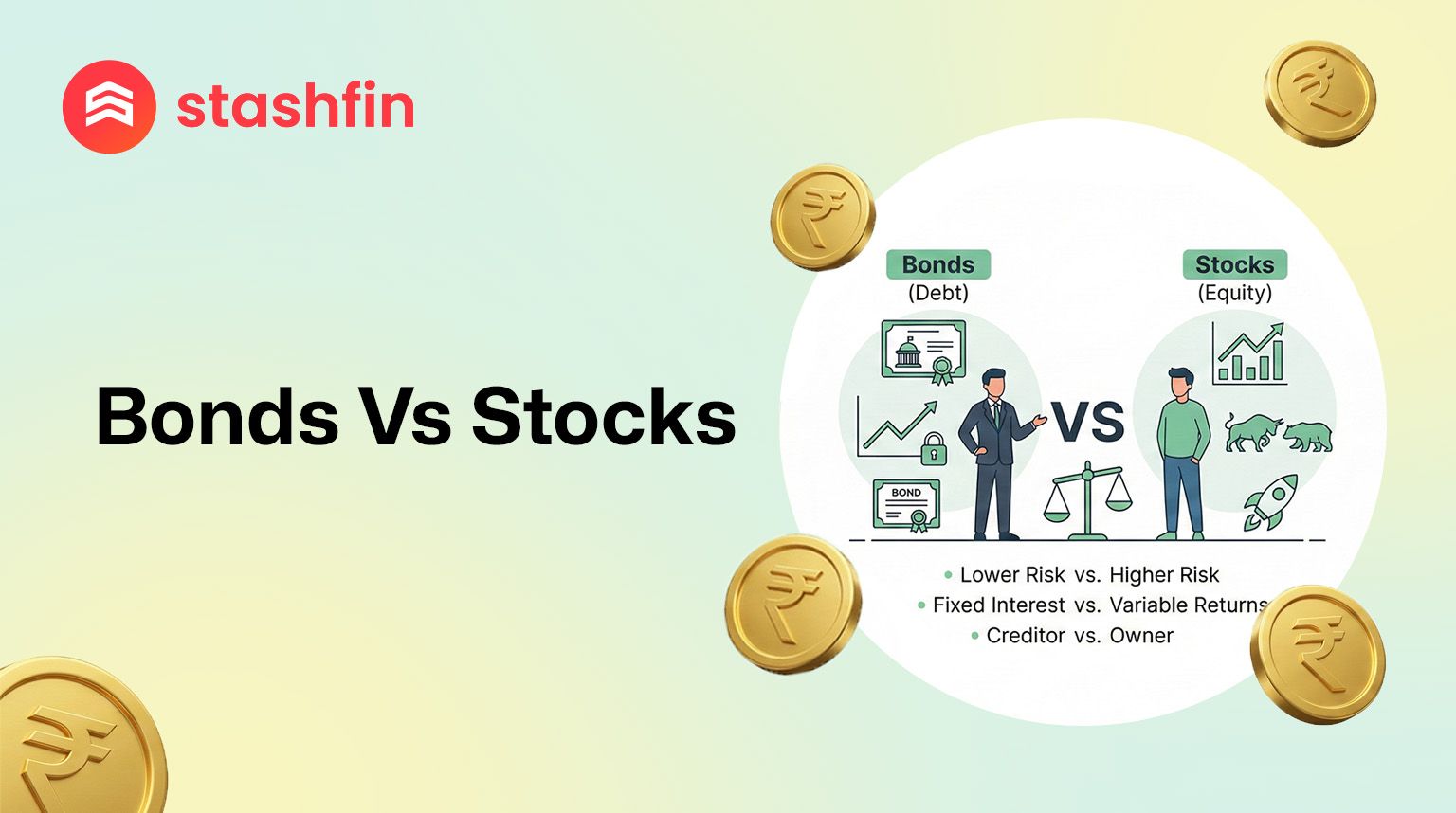
Introduction
Worldreview1989 - Investing is a cornerstone of building long-term wealth, but not all investments are created equal. In 2026, the debate between stocks vs bonds—which is safer?—is more relevant than ever due to economic shifts, inflation concerns, and fluctuating interest rates.
This comprehensive article dives deep into the risk, returns, and real-world performance of stocks and bonds. You’ll find expert insights, official data, comparison tables, risk disclaimers, and clear guidance to help you decide: Which investment is right for you in 2026?
📈 What Are Stocks and Bonds?
✔ Stocks
Stocks represent partial ownership in a company. When you buy shares, you become a shareholder entitled to part of the company’s profits (via dividends) and growth.
🔗 Learn more from the U.S. Securities and Exchange Commission (SEC):
➡️ Investing Basics – Stocks — https://www.investor.gov/introduction-investing/investing-basics/what-are-stocks
✔ Bonds
Bonds are essentially loans you make to governments or corporations. In exchange, the issuer pays periodic interest and returns the principal at maturity.
🔗 Official guidance from FINRA (Financial Industry Regulatory Authority):
➡️ About Bonds — https://www.finra.org/investors/learn-to-invest/types-investments/bonds
📊 Stocks vs Bonds: 2026 Comparison Table
| Feature | Stocks | Bonds |
|---|---|---|
| Risk Level | High | Low to Moderate |
| Average Returns | ~7–10% historically (U.S. large-cap) | ~2–5% yields |
| Income Type | Dividends (variable) | Interest (fixed) |
| Volatility | High | Lower |
| Inflation Protection | Stronger | Weaker |
| Best For | Growth | Preservation & income |
| Liquidity | High | Varies by bond type |
| Example Assets | S&P 500, NASDAQ | U.S. Treasuries, Corporate Bonds |
📉 Risk vs Return: Understanding the Trade-Off
The higher the potential return, the greater the risk.
Stocks: The Upside and the Downside
🟩 Pros:
Higher long-term returns historically.
Potential for dividends + capital gains.
Great hedge against inflation over decades.
🟥 Cons:
Sharp downturns (e.g., bear markets).
Sector/specifc company risks.
Emotional volatility for novice investors.
Bonds: Safety With Limitations
🟩 Pros:
Predictable income via interest.
Lower short-term volatility.
U.S. Treasuries are considered among the safest assets globally.
🟥 Cons:
Lower long-term returns.
Interest rate risk: prices fall when rates rise.
Inflation can erode real bond returns.
📌 Source: Historical returns based on data from Morningstar and Federal Reserve Economic Data (FRED).
Read Also :
Low-Cost vs High-Return Franchise in the USA: Which One Wins?
Top 5 Most Profitable Franchise Businesses in the USA — 2026 Guide (With ROI Insights)
Dunkin’ vs Starbucks: Franchise Cost, Profit & Risk Comparison (2026 Guide)
💥 Which Is Safer in 2026?
🔹 Bonds Take the Safety Crown (Generally)
In terms of principal preservation and predictable income, high-quality bonds—especially U.S. Treasury bonds—remain safer than stocks.
👉 The U.S. Department of the Treasury defines Treasuries as backed “by the full faith and credit of the U.S. Government,” making them among the lowest default risk instruments available.
🔗 https://home.treasury.gov/
🔸 But Stocks Offer Higher Long-Term Growth
If your investment horizon is 10 years or more, stocks historically outperform bonds. However, they come with higher price swings that may not suit conservative investors.
📌 Which Investment Is Right for You?
Here’s how to think about your choice:
🧠 Investor Type & Goals
Conservative / Near-Retirement: More bonds for stability and income.
Growth-Oriented / Long Horizon: More stocks for higher potential returns.
Balanced Strategy: A mix (e.g., 60% stocks / 40% bonds).
📅 Time Horizon Matters
Shorter than 5 years: Bonds or bond funds may be a better buffer against volatility.
10+ years: Stocks generally outperform bonds in total return.
📌 Example Portfolio Scenarios
| Investor Profile | Suggested Allocation | Goal |
|---|---|---|
| Conservative | 30% Stocks / 70% Bonds | Capital preservation & income |
| Balanced | 60% Stocks / 40% Bonds | Growth + stability |
| Aggressive | 80% Stocks / 20% Bonds | Maximum long-term growth |
📈 Top Investment Platforms (U.S.) — Monetization Opportunities
Compare features, fees, and ease of use for stocks & bonds trading.
| Platform | Best For | Fee Highlights |
|---|---|---|
| Fidelity Investments | Overall value | $0 stock trades; low bond fees |
| Charles Schwab | Research & service | $0 stock trades; competitive bond marketplace |
| Vanguard | Long-term investors | Low-expense funds; strong bond ETFs |
⚠️ Risk Disclaimer
Investing involves risk, including the possible loss of principal. Past performance is not indicative of future results. This article is for educational purposes only and not financial advice. Consult a licensed financial professional before making investment decisions.
For official investor protection information, see:
🔗 Investor.gov – SEC’s official investor education site — https://www.investor.gov/
📌 Conclusion
So, which is safer in 2026?
✔ Bonds generally provide more stability and lower volatility.
✔ Stocks offer greater growth potential over the long run.
✔ A diversified mix tailored to your goals often makes the most sense.
Whether you’re starting your investment journey or optimizing your portfolio, understanding the risk-return trade-off between stocks and bonds is crucial.
📣 Take the Next Step
✅ Compare investment platforms & check current rates
✅ Review U.S. Treasury yield curves for bond decision-making:
👉 https://www.treasury.gov/resource-center/data/chart-gallery/Pages/index.aspx
About the Author
David Mulyana is the founder and editor of WorldReview1989, an independent publication dedicated to finance, investing, insurance, business, technology, and digital marketing.
He researches and writes in-depth articles that help readers understand complex financial topics through clear explanations, practical insights, and data-driven analysis. His editorial focus includes stock market investing, cryptocurrencies, banking, personal finance, business insurance, real estate, startup strategies, and emerging technology trends.
Every article published on WorldReview1989 is created with a commitment to accuracy, transparency, and reader value. Content is reviewed regularly to reflect the latest market developments, industry updates, and publicly available information from trusted sources.
Editorial Principles
- Accuracy before speed
- Independent and unbiased analysis
- Clear, easy-to-understand explanations
- Information supported by reputable public sources
- Regular updates to maintain content relevance
Areas of Expertise
- Personal Finance
- Investing & Stock Market
- Cryptocurrency & Blockchain
- Insurance
- Banking
- Real Estate
- Business & Entrepreneurship
- Digital Marketing
- Financial Technology (FinTech)
About WorldReview1989
WorldReview1989 provides educational content for readers seeking reliable information about finance, investment opportunities, insurance, business strategies, and technology. The website aims to simplify complex financial concepts and empower readers to make informed decisions.
Disclaimer: The information published on WorldReview1989 is for educational and informational purposes only. It should not be considered financial, legal, tax, or investment advice. Readers should consult qualified professionals before making financial decisions.
David Mulyana writes about stocks, financial markets, investment strategies, insurance and emerging-market opportunities, with a focus on helping readers understand financial data and investment risks.