
Subway vs Jimmy John’s: Low-Cost Franchise Battle (2026 Guide)

Introduction
Worldreview1989 - In the competitive world of fast food franchising, sandwich chains like Subway and Jimmy John’s stand out as two of the most popular investment options in the United States. Both brands offer low-cost entry points compared to mega-brands like McDonald’s or Taco Bell, but they differ substantially in investment requirements, revenue potential, brand strength, operations, and growth strategy. This detailed guide will help serious investors understand the true costs, risks, and rewards of each franchise
Overview: Subway & Jimmy John’s Franchises
| Metric | Subway | Jimmy John’s |
|---|---|---|
| Founded | 1965 | 1983 |
| Franchise Units (US) | ~20,000+ | ~2,600+ (Sharpsheets) |
| Initial Franchise Fee | $15,000 (Sharpsheets) | $35,000 (Inspire Brands Franchising) |
| Total Initial Investment | ~$190,000-$522,000 (Sharpsheets) | ~$366,200-$728,200 (Inspire Brands Franchising) |
| Royalty Fee | 8% (Franchise Voice) | 6% (Inspire Brands Franchising) |
| Advertising Fee | 4.5% (Franchise Voice) | 4.5% (Inspire Brands Franchising) |
| Avg Annual Revenue | ~$300K-$500K (estimate) (Franchise Voice) | ~$894K - $1M+ (estimate) (Business Idea) |
| Break-Even Period | ~2-3 years (Franchise Voice) | ~1-2 years (Business Idea) |
Official Franchise Resources:
• Subway Franchise Info — https://www.subway.com/en-US/ownafranchise
• Jimmy John’s Franchising (Inspire Brands) — https://www.franchising.inspirebrands.com/jimmy-johns (Inspire Brands Franchising)
1. Investment & Financial Comparison
Subway: Low Entry, Moderate Returns
Subway typically requires a lower upfront investment, making it appealing to first-time franchisees or investors with limited capital. Total investment ranges from approximately $190,000 to $522,000 including franchise fee, equipment, training, and working capital. (Sharpsheets)
Read Also :
Low-Cost vs High-Return Franchise in the USA: Which One Wins?
Top 5 Most Profitable Franchise Businesses in the USA — 2026 Guide (With ROI Insights)
Dunkin’ vs Starbucks: Franchise Cost, Profit & Risk Comparison (2026 Guide)
Pros
Lower minimum cash required than many competitors
Flexible store formats (mall, store front, non-traditional venues)
Global brand recognition
Cons
Higher combined royalty + ad fees (12.5%) (Franchise Biz Plan Templates)
Historical store closures and saturation in some markets (Teriyaki Madness Franchise)
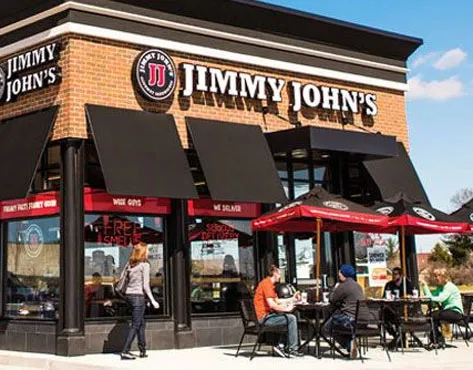
Jimmy John’s requires a higher total investment, generally from $366,200 up to around $728,200. (Inspire Brands Franchising) Yet many franchisees report higher average unit volumes relative to Subway, with strong sales driven by the “Freaky Fast” delivery model and efficient operations. (Business Idea)
Pros
Potential for higher gross revenue
Lower royalty percentage (6%) (Inspire Brands Franchising)
Backed by Inspire Brands with multi-brand support
Cons
Higher net worth & liquid capital requirement
Greater construction and setup costs
2. Which Is Right for You?
🔍 Startup Capital
Choose Subway if you want a lower entry-point and smaller footprint.
Choose Jimmy John’s if you have more capital and want stronger revenue upside.
💡 Business Experience
New entrepreneurs might prefer Subway due to broader training and support programs.
Those with management/restaurant experience might maximize Jimmy John’s efficiency and growth potential.
📍 Market Strategy
Subway’s heavy saturation in many U.S. cities can make standout performance harder.
Jimmy John’s tends to focus more on densely populated urban and college markets.
👉 Bottom Line: Subway is generally lower-risk but lower-reward, while Jimmy John’s is higher cost but potentially higher return if executed well.
3. Operating Costs & Profitability
Ongoing Fees
Subway
Royalty: 8%
Advertising: 4.5%
Combined: ~12.5% (Franchise Biz Plan Templates)
Jimmy John’s
Royalty: 6%
Advertising: 4.5%
Combined: ~10.5% (Franchise Biz Plan Templates)
Tip: Even a 2% difference in fees can translate to $50,000+ over a 10-year term on a $500,000-per-year store. (Franchise Biz Plan Templates)
Read Also :
Which Franchise Wins? A Comprehensive Comparison of Two U.S. Business Giants
Franchise Face‑Off: Comparing Two Top U.S. Businesses for 2026
From Investment to ROI: Comparing Two Major U.S. Franchise Opportunities
4. Risk Disclaimer
Franchise investments carry risks including fluctuating sales, changing consumer preferences, labor cost pressures, and brand performance variability. Past performance does not guarantee future results. You should consult with a financial advisor and review the official Franchise Disclosure Document (FDD) for each brand before investing.
5. Call to Action (CTA)
Ready to dive deeper into your sandwich franchise decision? Here’s how to get started:
👉 Compare investment platforms: Evaluate where you’ll get the best capital access, business loans, and franchise financing offers.
👉 Check current rates: Use franchise financing tools to compare SBA loans and alternative funding options.

About the Author
David Mulyana is the founder and editor of WorldReview1989, an independent publication dedicated to finance, investing, insurance, business, technology, and digital marketing.
He researches and writes in-depth articles that help readers understand complex financial topics through clear explanations, practical insights, and data-driven analysis. His editorial focus includes stock market investing, cryptocurrencies, banking, personal finance, business insurance, real estate, startup strategies, and emerging technology trends.
Every article published on WorldReview1989 is created with a commitment to accuracy, transparency, and reader value. Content is reviewed regularly to reflect the latest market developments, industry updates, and publicly available information from trusted sources.
Editorial Principles
- Accuracy before speed
- Independent and unbiased analysis
- Clear, easy-to-understand explanations
- Information supported by reputable public sources
- Regular updates to maintain content relevance
Areas of Expertise
- Personal Finance
- Investing & Stock Market
- Cryptocurrency & Blockchain
- Insurance
- Banking
- Real Estate
- Business & Entrepreneurship
- Digital Marketing
- Financial Technology (FinTech)
About WorldReview1989
WorldReview1989 provides educational content for readers seeking reliable information about finance, investment opportunities, insurance, business strategies, and technology. The website aims to simplify complex financial concepts and empower readers to make informed decisions.
Disclaimer: The information published on WorldReview1989 is for educational and informational purposes only. It should not be considered financial, legal, tax, or investment advice. Readers should consult qualified professionals before making financial decisions.
David Mulyana writes about stocks, financial markets, investment strategies, insurance and emerging-market opportunities, with a focus on helping readers understand financial data and investment risks.