Best State Farm Health Insurance Alternatives in 2026: A Complete Guide for U.S. Consumers
Finding the right health insurance is one of the most important financial decisions a U.S. adult or family can make. Many people ask: “What are the best alternatives to State Farm health insurance?” This guide will answer that — and help you compare options, understand trade-offs, and choose coverage that suits your health needs and budget.
According to official information from State Farm, the company offers health insurance guidance and supplemental options, but State Farm is not a traditional health insurer on the federal health exchange and does not directly underwrite major medical plans in all states. In many cases, State Farm agents refer customers to marketplace plans or partner carriers. (InsuranceSecurely.com)
Before we dive into alternatives, let’s clarify what you are comparing.
What Is “State Farm Health Insurance”?
State Farm promotes a variety of health-related insurance products, including:
Supplemental health insurance (helps with additional medical expenses)
Medicare supplement (Medigap) plans for seniors
Referrals and access to health plans via agents
However, as noted by trusted industry sources, State Farm does not provide traditional individual health insurance plans directly in the same way major health insurers do — meaning it’s often a broker for health plans rather than the insurer itself. (InsuranceSecurely.com)
For individuals looking for full coverage (hospital, outpatient care, prescription drugs, etc.), it’s useful to explore true health insurance alternatives.
Read Also :
The 2026 Insurance Frontier: From Risk Indemnity to Risk Prevention
5 Ways to Claim Life Insurance Based on the Type of Risk
The Unseen Safety Net: Why Life Insurance is an Indispensable Shield Against the Unexpected
7 Compelling Reasons Why Life Insurance is an Essential Investment
How to Start an Insurance Business in America (2026 Complete Guide)
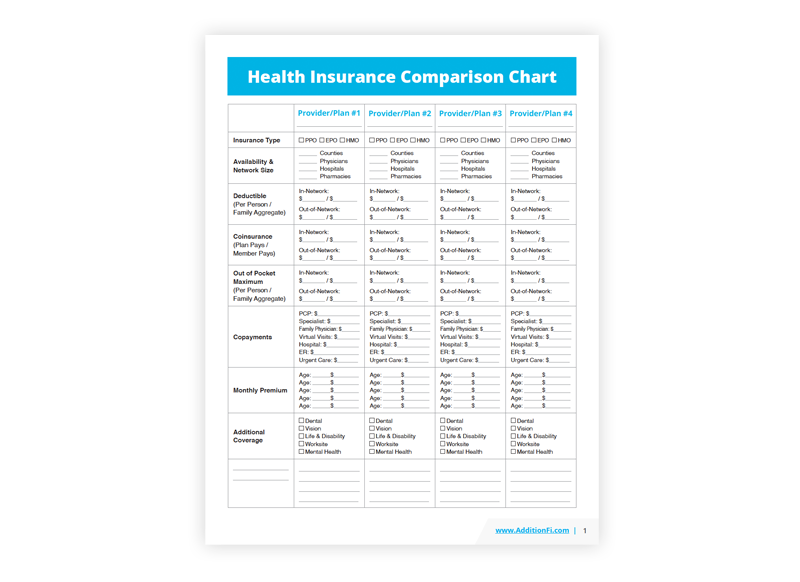
How to Choose a Health Insurance Alternative
When evaluating health insurance providers, consider:
Coverage type (e.g., PPO, HMO, catastrophic)
Network size
Monthly premium vs. out-of-pocket costs
Subsidy eligibility (via federal or state marketplaces)
Special needs coverage (e.g., Medicare, maternity care)
Customer service and claims reputation
State Farm Health Insurance Alternatives — Quick Comparison Table
| Provider / Option | Type | Best For | Approx. Cost Range | Notes |
|---|---|---|---|---|
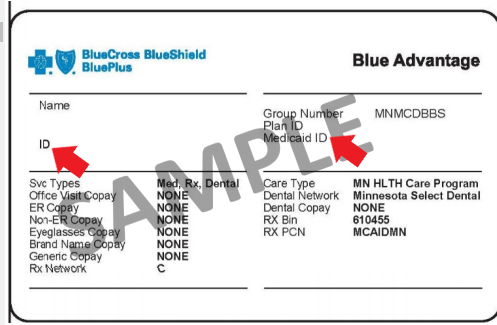
| Blue Cross Blue Shield (BCBS) | Traditional insurer | Nationwide network | Varies by state; typically $$ | Large provider, many plan options (Wikipedia) |
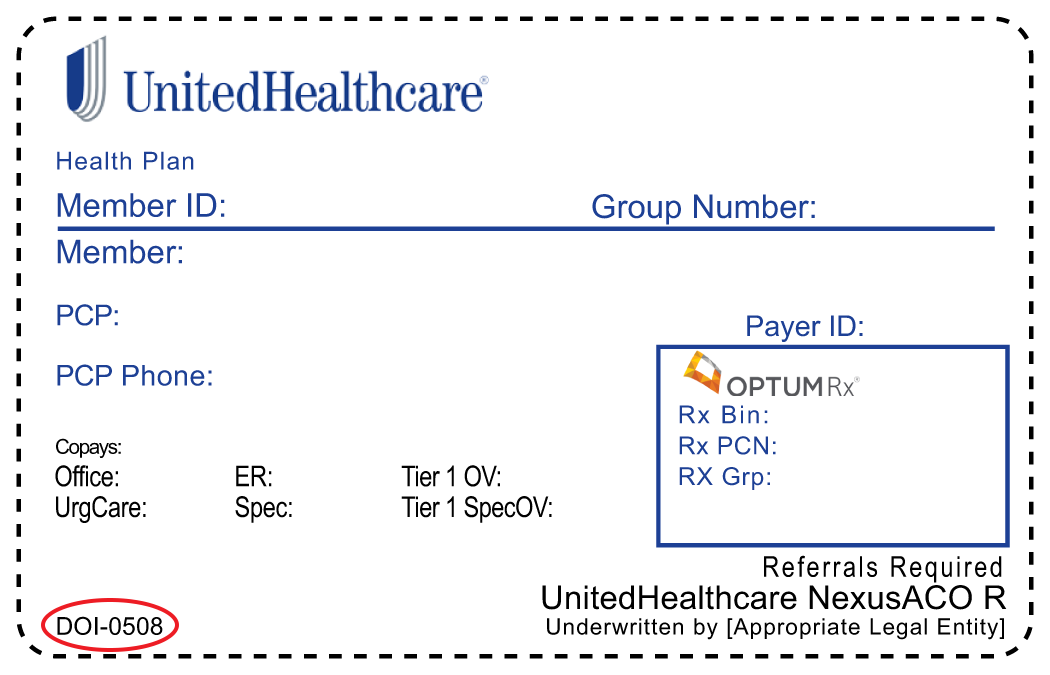
| UnitedHealthcare | Major insurer | Broad coverage | $$–$$$ | Huge network & Medicare options (Insurance Providers) |
| Aetna (CVS Health) | Major insurer | Employer & individual plans | $$–$$$ | Solid medical & pharmacy benefits (Insurance Providers) |
| Covered California / ACA Marketplace | Government marketplace | Subsidized coverage | Depends on income | Access to many carriers & premium support (Wikipedia) |
| Health Sharing Ministries | Faith-based sharing | Lower cost | $150–$300/mo | Not traditional insurance — see risks (Investopedia) |
| Short-Term Health Plans | Temporary coverage | Transitional needs | $80–$200/mo | Limited coverage, not ACA compliant (Website Alternatives) |
| Direct Primary Care (DPC) | Membership care | Everyday visits | $60–$100/mo | Not insurance; pairs with other plans (Impact Family Wellness) |
| HealthCare.gov Marketplace | Federal marketplace | National plan options | Varies with subsidy | Official federal exchange — official site: https://www.healthcare.gov |
These ranges and offerings vary significantly by state, age, family size, health status, and income.
Major Health Insurance Competitors to State Farm
Here are key health insurance carriers that are widely regarded as traditional, full-coverage alternatives:
✅ Blue Cross Blue Shield (BCBS)
A federation of independent companies providing health plans in most U.S. states with comprehensive networks and services. (Wikipedia)
✅ UnitedHealthcare
One of the largest U.S. health insurers, with extensive provider networks and Medicare/commercial plan options. (Insurance Providers)
✅ Aetna (CVS Health)
Offers individual and group health plans, bundled pharmacy benefits, and robust provider access. (Insurance Providers)
✅ State & Federal Health Insurance Marketplaces
Government-run exchanges like Covered California (state-specific) and the federal HealthCare.gov enable comparison of ACA-compliant plans and subsidies. (Wikipedia)
Alternatives That Aren’t Traditional Insurance
Some consumers choose non-insurance health cost options — with important caveats:
🧑🤝🧑 Health Care Sharing Ministries
These are community-based sharing arrangements offering lower monthly costs but lack insurance guarantees and are not regulated like traditional insurers. (Investopedia)
🔹 Short-Term Health Plans
Useful for temporary gaps, but they don’t cover preexisting conditions and are not compliant with ACA standards. (Website Alternatives)
💊 Direct Primary Care (DPC)
A membership model for primary care — not insurance — but often paired with catastrophic or supplemental plans. (Impact Family Wellness)
Which Is Right for You?
🧾 If You Want Full Major Medical Coverage
Choose Blue Cross Blue Shield, UnitedHealthcare, Aetna, or ACA marketplace plans. These give comprehensive hospitalization, outpatient care, prescriptions, and preventive services.
💸 If Cost Is a Primary Concern
Explore Marketplace plans with subsidies at https://www.healthcare.gov or state exchanges like Covered California. Subsidies can substantially lower premiums. (Wikipedia)
⛑️ If You Need Temporary Coverage
Short-term plans may work only as a bridge until long-term coverage begins.
🙏 If You Prefer Faith-Based Sharing
Health sharing ministries can reduce monthly expenses but come with important limitations — they are not insurance.
Official Government Health Insurance Resources
These official sites help with comparison, enrollment, and eligibility:
HealthCare.gov – Federal ACA exchange for plans and subsidies: https://www.healthcare.gov
Covered California – State marketplace for California residents: https://www.coveredca.com (Wikipedia)
Centers for Medicare & Medicaid Services (CMS) – Information on Medicare and Medicaid: https://www.cms.gov
Risk Disclaimer
Important: This article is informational only and is not medical or financial advice. Insurance offerings and regulations change over time. Always consult licensed insurance professionals and official government sources before purchasing any insurance or cost-sharing membership. Coverage, premiums, and networks vary by location, age, and health status.
Calls to Action
👉 Compare Insurance Platforms — Use tools like https://www.healthcare.gov to compare multiple insurers side-by-side and find up-to-date pricing.
👉 Check Current Rates — Contact carriers directly or licensed brokers to get personalized quotes tailored to your needs.
Author Bio
Azka — Financial Enthusiast
Azka is a passionate personal finance writer focused on smart money decisions for U.S. consumers. With expertise in insurance, investing, and budgeting strategies, Azka helps readers navigate complex financial products with confidence.
Comments
Post a Comment