

401(k) vs IRA: Which Retirement Account Is Better? (2026 Guide)
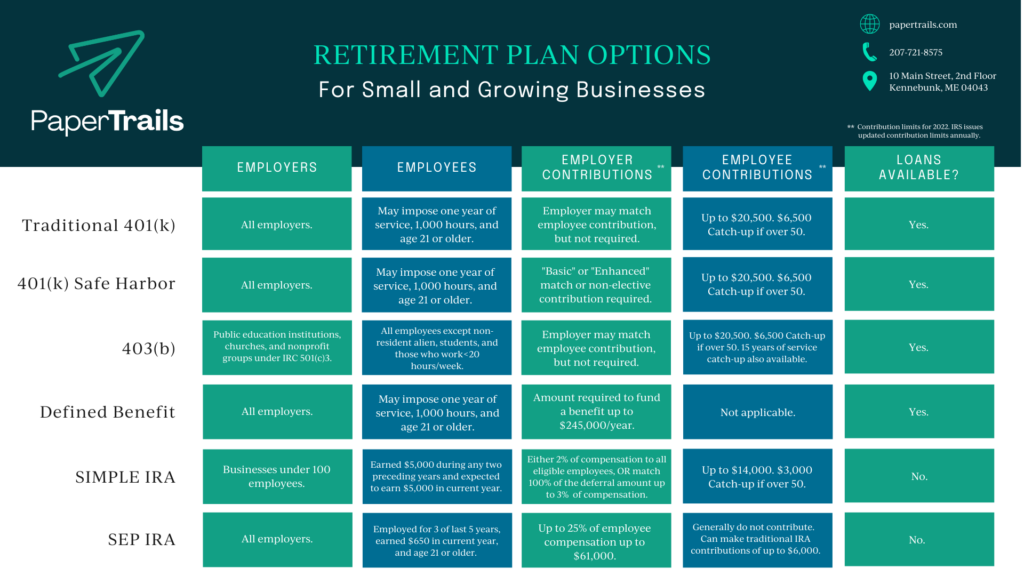
This comprehensive guide dives deep into the differences, benefits, limitations, and real-world use cases of 401(k) plans and IRAs—helping you decide which one fits your financial situation best in 2026 and beyond.
Read Also :
Low-Cost vs High-Return Franchise in the USA: Which One Wins?
Top 5 Most Profitable Franchise Businesses in the USA — 2026 Guide (With ROI Insights)
Dunkin’ vs Starbucks: Franchise Cost, Profit & Risk Comparison (2026 Guide)
📌 What Is a 401(k)?
A 401(k) is an employer-sponsored retirement plan that allows employees to save a portion of their paycheck on a pre-tax basis (traditional 401(k)) or after-tax basis (Roth 401(k)). These contributions grow tax-deferred (or tax-free for Roth), and many employers also offer matching contributions—essentially free money toward your retirement.
💡 IRS official info on 401(k) plans:
✔️ See IRS Retirement Plans FAQs ➝ https://www.irs.gov/retirement-plans/retirement-plans-faq-regarding-401k-plans
📌 What Is an IRA?
An Individual Retirement Account (IRA) is a personal retirement savings account you open on your own outside of employer sponsorship. There are two main types:
Traditional IRA – Contributions may be tax-deductible; taxes owed at withdrawal.
Roth IRA – Contributions after tax, but qualified withdrawals (including earnings) are tax-free.
💡 IRS official info on IRAs:
✔️ IRA contribution rules & limits ➝ https://www.irs.gov/retirement-plans/ira-contribution-limits
According to the Internal Revenue Service (IRS) and retirement experts:
401(k) Contribution Limits (2026)
Base limit: $24,500
Catch-up contribution (age 50+): + $8,000
Special “super catch-up” for ages 60–63: $11,250
Employer contributions and your personal contributions combined can reach higher totals. (Fidelity)
IRA Contribution Limits (2026)
Base limit: $7,500
Catch-up (50+): + $1,100
Eligibility to contribute to a Roth IRA depends on income levels ➝ check IRS guidelines. (Kiplinger)
📊 401(k) vs IRA — Side-by-Side Comparison
| Feature | 401(k) | IRA |
|---|---|---|
| Offered by Employer? | Yes | No |
| Annual Contribution Limit (2026) | $24,500 (+ catch-ups) | $7,500 (+ catch-up) |
| Roth Option Available? | Yes (Roth 401(k)) | Yes (Roth IRA) |
| Employer Matching | Often yes | No |
| Income Limits for Contributions | None | Roth IRA phases out at certain income thresholds |
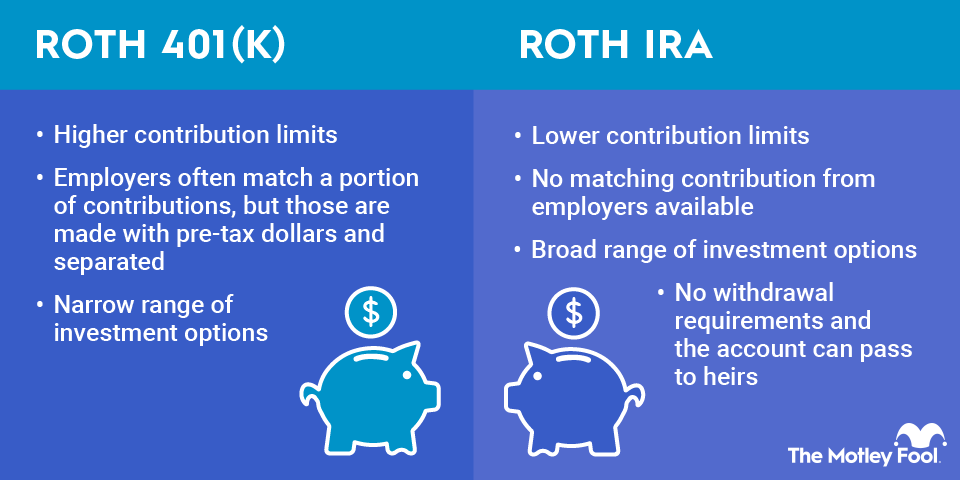
| Investment Choices | Limited by employer plan | Broader selection |
| Portability | May require rollover | Fully portable |
📌 401(k) vs IRA — Detailed Differences
🧾 Employer Match
One of the most significant advantages of a 401(k) is employer matching. Many companies match up to a certain percentage of your contributions, effectively boosting your savings. (Citi)
💰 Contribution Capacity
401(k)s allow much higher annual savings limits compared to IRAs—making them better for high-income savers or those who want to accelerate retirement funding. (Fidelity)
📈 Investment Control
IRAs offer a broader universe of investment options (stocks, bonds, ETFs), whereas 401(k) choices are often limited to select mutual funds or target-date funds chosen by the employer. (Encyclopedia Britannica)
🔁 Portability
If you change jobs, your 401(k) can be rolled over into an IRA, keeping tax benefits intact. This makes an IRA a flexible option if you plan to switch employers often. (SmartAsset)

👉 Which Is Right for You?
To help you decide, consider the following scenarios:
You Might Prefer a 401(k) If:
✔️ Your employer offers a strong match
✔️ You want to save as much as possible each year
✔️ You prefer automated paycheck deductions
You Might Prefer an IRA If:
✔️ You want full control over investment choices
✔️ You’re self-employed or not eligible for a 401(k)
✔️ Roth tax-free withdrawal benefits matter more
💡 In many cases, the best strategy is to contribute to your 401(k) up to the employer match and then use an IRA to diversify your tax strategy and investment flexibility.
📊 Case Studies – Real World Examples
Scenario A — Young Professional (Age 30)
Maxes 401(k) match
Contributes to Roth IRA for tax-free growth
Flexible investment choices with IRA
Scenario B — High Earner (Age 50+)
Maxes 401(k) contribution with catch-ups
Uses Traditional IRA for tax deduction
Considers Roth IRA conversion for future tax planning
⚠️ Risk Disclaimer
This article is for educational and informational purposes only and does not constitute financial, tax, or investment advice. Always consult a licensed financial advisor, tax professional, or official IRS publications for decisions based on your personal financial situation. Investments are subject to market risk, including the possible loss of principal.
🔗 Official & Trusted Resources
For IRS retirement guidelines and annual updates:
🔗 IRS Retirement Plans FAQs ➝ https://www.irs.gov/retirement-plans/retirement-plans-faq-regarding-401k-plans
🔗 IRS IRA Contribution Limits ➝ https://www.irs.gov/retirement-plans/ira-contribution-limits
🔗 IRS Publication 590-A & 590-B (Roth and Traditional IRA rules) ➝ https://www.irs.gov/forms-instructions
📈 Ready to Compare Options?
👉 Compare Investment Platforms — Find the best place to open your IRA or rollover your 401(k).
👉 Check Current Rates — See today’s retirement savings yields and platform fees.
📝 Author Bio
Azka — Financial Enthusiast
Azka is a personal finance writer focused on helping individuals make smarter retirement decisions. With deep experience in retirement planning, tax-advantaged investing, and financial literacy, Azka creates content that is clear, actionable, and focused on long-term wealth creation.