

Amazon vs Google Stock: Revenue, Valuation & Risk — A Complete 2026 Investment Comparison (For USA Investors)
Last updated: February 2026
In the world of long-term tech investments, Amazon (NASDAQ: AMZN) and Alphabet’s Google (NASDAQ: GOOGL) remain among the most discussed stocks for diversified portfolios. Both companies dominate distinct areas of the US economy — from e-commerce and cloud computing to search advertising and AI — but which one is truly the better investment today?
This article provides a deep, comparison of Amazon vs Google stock, focusing on revenue, valuation, profitability, risk, and future growth prospects, with external links to official financial reports and regulatory sources.
📊 Executive Summary: Amazon vs Google
| Metric | Amazon (AMZN) | Google (GOOGL) | Notes |
|---|---|---|---|
| Revenue (TTM) | ~$640B+ | ~$370B+ | Amazon’s sales are larger due to retail volume (Trading News) |
| Operating Margin | ~10–15% | ~28–30% | Google maintains higher profitability (Forbes) |
| Market Cap | ~$2.6T–$3T | ~$3.8T–$4T | Google trading at higher overall valuation (Mint Ventures) |
| P/E Ratio | ~30–35x | ~25–32x | Amazon slightly pricier per earnings (Investing Young) |
| Debt/Equity | ~6% | ~1% | Google has lower leverage (Nasdaq) |
| Free Cash Flow Trends | More volatile | Steadier | AI & CapEx pressures (TheStreet) |
| Volatility (Risk) | Higher | Lower | Based on price movements (PortfoliosLab) |
(All figures are approximate and based on the latest publicly available financial data as of early 2026.)
🧾 Official Revenue & Financials — Verified Sources
Amazon’s investor relations publishes quarterly revenue and segment breakdowns: retail, AWS, advertising, subscriptions, logistics and more.
🔗 See official filings at: https://ir.aboutamazon.com/reportsAlphabet’s SEC financial reports show search advertising, cloud growth, and operating cash flows.
🔗 See Alphabet’s investor portal: https://abc.xyz/investor
These official resources should be your baseline for any analysis or investment decision.
📈 Revenue Comparison: Scale vs Profitability
Amazon: Scale First
Amazon’s revenue dwarfs most tech giants, with the combination of retail sales, third-party marketplace, logistics, AWS cloud, advertising, and subscription services. AWS — despite being a smaller share of total revenue — often delivers a disproportionate share of operating profits. (Trading News)
📌 Strength: Massive monetization via diversified sectors.
📌 Weakness: Lower overall profit margins due to heavy logistics and retail operations.
Google: Profitability Powerhouse
Google’s core strength is high-margin digital advertising and search services, complemented by fast-growing cloud and YouTube revenue. As a result, it consistently achieves higher operating margins — often above 25–28% — compared to Amazon’s ~10%. (Forbes)
📌 Strength: Strong cash flows, low debt, high profitability.
📌 Weakness: Slightly slower total revenue growth vs Amazon’s retail expansion.
💰 Valuation Metrics — What Investors Need to Know
Here’s how key valuation metrics stack up:
| Valuation Metric | Amazon | Implication | |
|---|---|---|---|
| Forward P/E | ~30–35x | ~25–32x | Amazon priced higher per earnings (Investing Young) |
| EV/Revenue | High | Moderate | Reflects scale vs profitability (Value Sense Blog) |
| Cash & Debt | ~15% cash assets, 6% debt | ~28% cash assets, 1% debt | Google has stronger balance sheet (Nasdaq) |
Higher multiples can signal investor confidence — but also require future growth to keep pace.
⚠️ Investment Risks — Must-Read for All Investors
Amazon Risks
Retail volatility: Economic slowdowns hit retail revenue faster than digital services. (Investopedia)
High valuation assumptions: Market cap relies on continued AWS growth. (Investopedia)
AI and CapEx pressure: Massive infrastructure spending could compress free cash flow in the short term. (TheStreet)
Google Risks
Regulatory scrutiny: Antitrust and data privacy cases could impact monetization. (AInvest)
Competition: Emergence of AI search alternatives could challenge core ad revenue. (The Motley Fool)
Capital expenditure swings: Large AI and cloud spending can reduce free cash flow. (TheStreet)
🔍 Which Is Right For You? (Investor Scenarios)
📌 Growth-Oriented Investors
If you prioritize scale and future cloud/AI upside: Amazon might be attractive thanks to AWS and retail dominance.
📌 Income & Profitability Seekers
If you value margins, cash flow stability, and lower risk: Google generally offers steadier results.
📌 Balanced Portfolio Builders
A diversified mix AMZN + GOOGL + other tech can balance risk and growth 👍.
Invest according to your risk tolerance, time horizon, and financial goals.
📦 Product Example Images — Investment Tools for USA Investors
Use these tools to track or trade AMZN & GOOGL:
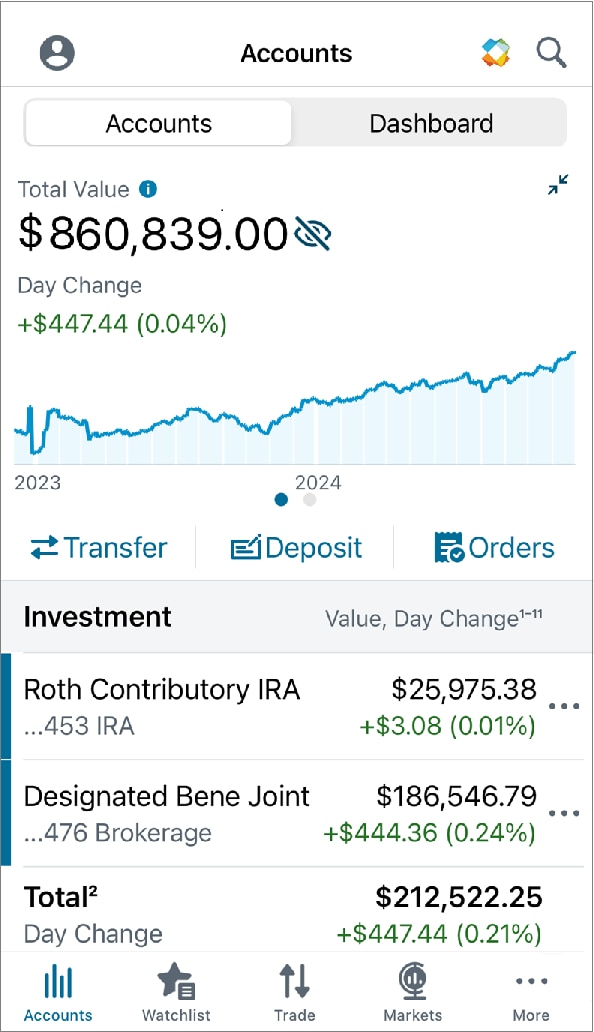

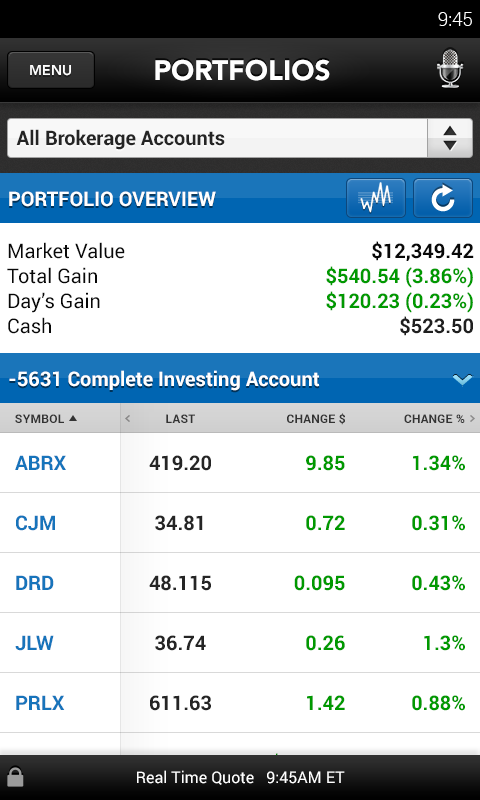
👉 These are example visuals of popular US investment platforms where you can compare stocks and rates.
📣 CTA — Ready to Act?
Whether you’re considering your first tech investment or rebalancing your portfolio, start here:
✅ Compare investment platforms: Find fees, tools, and rewards that match your investing style.
👉 Consider platforms like Charles Schwab, Fidelity, ETRADE, or Robinhood for US investors.*
✅ Check current rates: Market prices move daily — check live quotes for AMZN and GOOGL before buying!
📜 Risk Disclaimer
This article is for informational purposes only and does not constitute financial advice. Investing in stocks involves risk, including the loss of principal. Always consult a licensed financial advisor and conduct your own research before making investment decisions.
🧑💼 Author Bio
Azka – Financial Enthusiast
Azka is a finance writer focused on investment analysis, stock valuation comparisons, and personal finance education for investors in the USA. With expertise in equity markets and SEO-driven content, Azka helps readers make informed decisions backed by data and official sources.