
Comparing Tesla Insurance with Other EV Insurance in the U.S.
Author: Azka Kamil – Financial Enthusiast
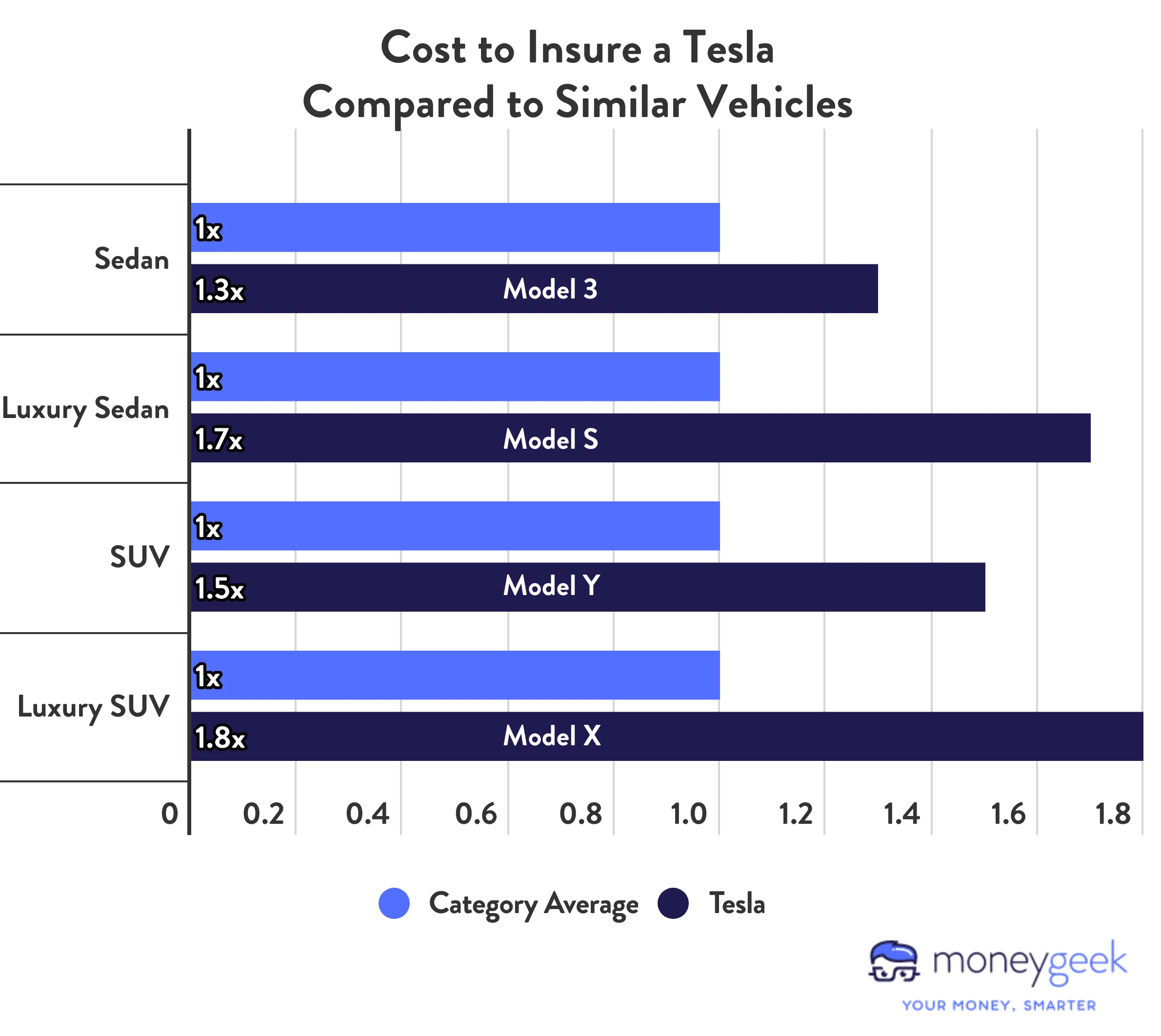
Worldreview1989 - Electric vehicles (EVs) are rapidly reshaping the automotive landscape in the United States. As more drivers make the switch from internal combustion engine (ICE) cars to EVs, one key financial aspect stands out: insurance cost and coverage considerations. Among EV makers, Tesla is one of the most popular brands — but how does Tesla Insurance stack up against insurance for other EVs? In this article, we’ll break down the latest data on premiums, coverage features, and market trends to help drivers make smarter decisions. (MoneyGeek.com)
🚗 Why EV Insurance Generally Costs More
Before comparing Tesla specifically, it’s important to understand the broader context:
EVs often have higher insurance premiums than traditional gas vehicles due to costlier repairs, sophisticated battery systems, and limited repair networks. EV repairs can cost significantly more — especially battery replacements — which drives premiums upward. (MoneyGeek.com)
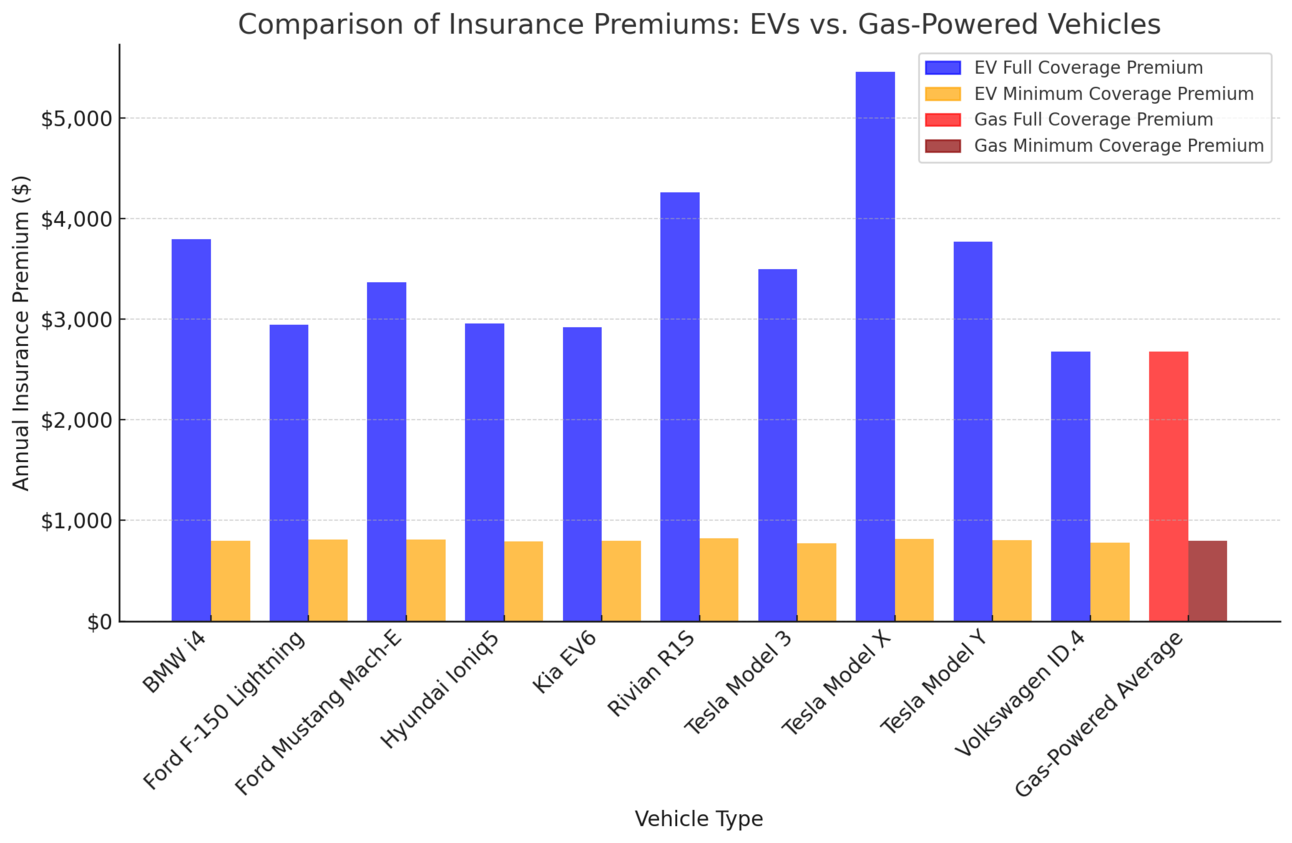
On average, EV insurance can be 4–49% higher than gas-powered car insurance depending on the model and insurer. (Autoblog)
📊 Tesla Insurance: What’s Unique?
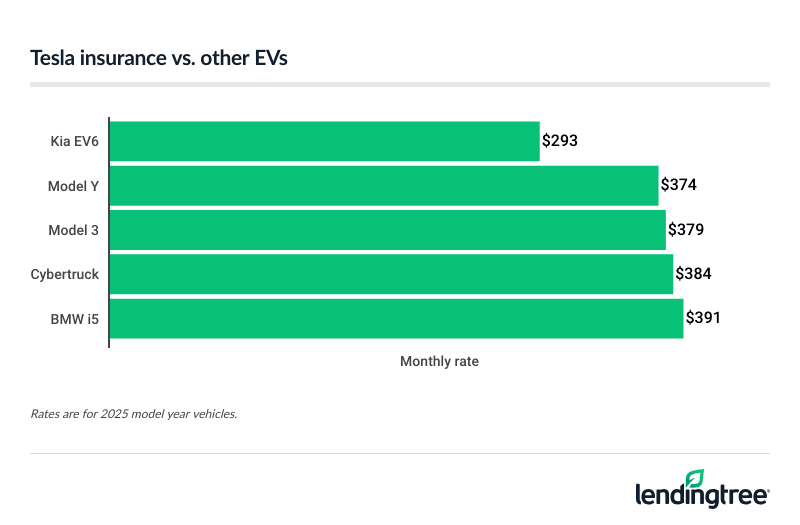
Tesla offers its own insurance product in multiple U.S. states, promising competitive pricing based on real-time driving behavior and direct integration with Tesla’s technology. (Alibaba)
Key characteristics:
Tesla Insurance uses telemetry data from the vehicle (e.g., speed, braking patterns) to adjust rates.
In some cases, this results in lower average premiums compared to traditional providers for specific drivers and states. (Alibaba)
Newer innovations — such as partnerships with insurers like Lemonade offering up to 50% discounts for miles driven with driver-assist systems — are launching in select states. (Reuters)
However, this data-driven model also leads to mixed reviews from policyholders who report sudden price hikes or high sensitivity to driving scores. (Independent reports and user discussions suggest variability in pricing and satisfaction across providers). (Reddit)
💰 Tesla vs Other EV Insurance Costs
According to multiple aggregated insurance studies and comparison tools:
📉 Average Annual Insurance Trends
| EV Model | Typical Annual Insurance Cost (USD) |
|---|---|
| Tesla Model S | ~$3,365 – $4,765 |
| Tesla Model X | ~$2,915 – $4,300 |
| Tesla Model Y | ~$2,189 – $3,771 |
| Tesla Model 3 | ~$2,086 – $3,495 |
| Ford Mustang Mach-E | ~$2,064 |
| Chevy Bolt | ~$1,717 – $2,000 |
| Nissan Leaf | ~$1,391 – $2,663 |
These figures vary by insurer, driver profile, and location. (Insure GenZ)
📌 Key Insights:
Tesla models — especially premium ones like the Model S and X — tend to rank among the most expensive EVs to insure in the U.S. (MoneyGeek.com)
Other mainstream EVs like the Ford Mustang Mach-E, Hyundai Ioniq 5, or Chevy Bolt generally have lower insurance premiums, largely due to lower repair costs and wider service networks. (Compare.com)
🔍 Why Tesla Insurance Can Be More Expensive
Several factors contribute to Tesla’s relatively high insurance costs:
🛠️ Repair and Replacement Costs
Tesla’s advanced electrical systems, proprietary components, and limited certified repair facilities can raise the cost of repair. This translates to higher claim costs for insurers. (Yahoo! Autos)
📈 Claims Frequency
Some data shows Tesla models have higher-than-average claim rates, which insurers interpret as increased risk. (Yahoo! Autos)
🧠 Technology Pricing
While Advanced Driver Assistance Systems (ADAS) and telematics can improve safety, they also raise the cost of parts and recalibration after collisions — another insurer cost driver. (New York Post)
📌 Consumer Tips: Choosing the Best EV Insurance
Whether you drive a Tesla or another EV, here are actionable strategies to find better insurance:
✅ Compare quotes from multiple insurers: Providers differ widely in pricing, even for the same vehicle.
✅ Evaluate coverage vs. cost: Cheaper isn’t always better if the coverage limits are low.
✅ Consider discounts: Telematics, safe driving, bundling policies (home + auto), and EV-specific discounts can lower your premium.
✅ Check state-specific insurers: Some states offer more competitive markets than others. (LendingTree)
📌 Final Takeaway
While Tesla Insurance offers innovation and potentially competitive pricing, traditional insurers often provide comparable or lower rates for many Tesla and non-Tesla EVs. Mainstream EVs like the Chevrolet Bolt, Hyundai Ioniq 5, or Ford Mustang Mach-E usually have cheaper average insurance rates than Tesla’s premium lineup — making them attractive options for budget-focused drivers. (MoneyGeek.com)
Whether you choose insurance directly from Tesla or shop around with major carriers like State Farm, GEICO, or Nationwide, the key to savings lies in researching quotes and understanding coverage details before signing a policy.
📌 External References
For more in-depth insurance rate data and EV cost comparisons:
🔗 MoneyGeek’s EV Insurance Guide – moneygeek.com (MoneyGeek.com)
🔗 ProtectiveHub EV Insurance Rates – protectivehub.com (Protective Hub)
About the Author
David Mulyana is the founder and editor of WorldReview1989, an independent publication dedicated to finance, investing, insurance, business, technology, and digital marketing.
He researches and writes in-depth articles that help readers understand complex financial topics through clear explanations, practical insights, and data-driven analysis. His editorial focus includes stock market investing, cryptocurrencies, banking, personal finance, business insurance, real estate, startup strategies, and emerging technology trends.
Every article published on WorldReview1989 is created with a commitment to accuracy, transparency, and reader value. Content is reviewed regularly to reflect the latest market developments, industry updates, and publicly available information from trusted sources.
Editorial Principles
- Accuracy before speed
- Independent and unbiased analysis
- Clear, easy-to-understand explanations
- Information supported by reputable public sources
- Regular updates to maintain content relevance
Areas of Expertise
- Personal Finance
- Investing & Stock Market
- Cryptocurrency & Blockchain
- Insurance
- Banking
- Real Estate
- Business & Entrepreneurship
- Digital Marketing
- Financial Technology (FinTech)
About WorldReview1989
WorldReview1989 provides educational content for readers seeking reliable information about finance, investment opportunities, insurance, business strategies, and technology. The website aims to simplify complex financial concepts and empower readers to make informed decisions.
Disclaimer: The information published on WorldReview1989 is for educational and informational purposes only. It should not be considered financial, legal, tax, or investment advice. Readers should consult qualified professionals before making financial decisions.
David Mulyana writes about stocks, financial markets, investment strategies, insurance and emerging-market opportunities, with a focus on helping readers understand financial data and investment risks.