
Electric Car Insurance Cost Comparison in the United States (2026 Guide)
Author: Azka Kamil – Financial Enthusiast
Introduction
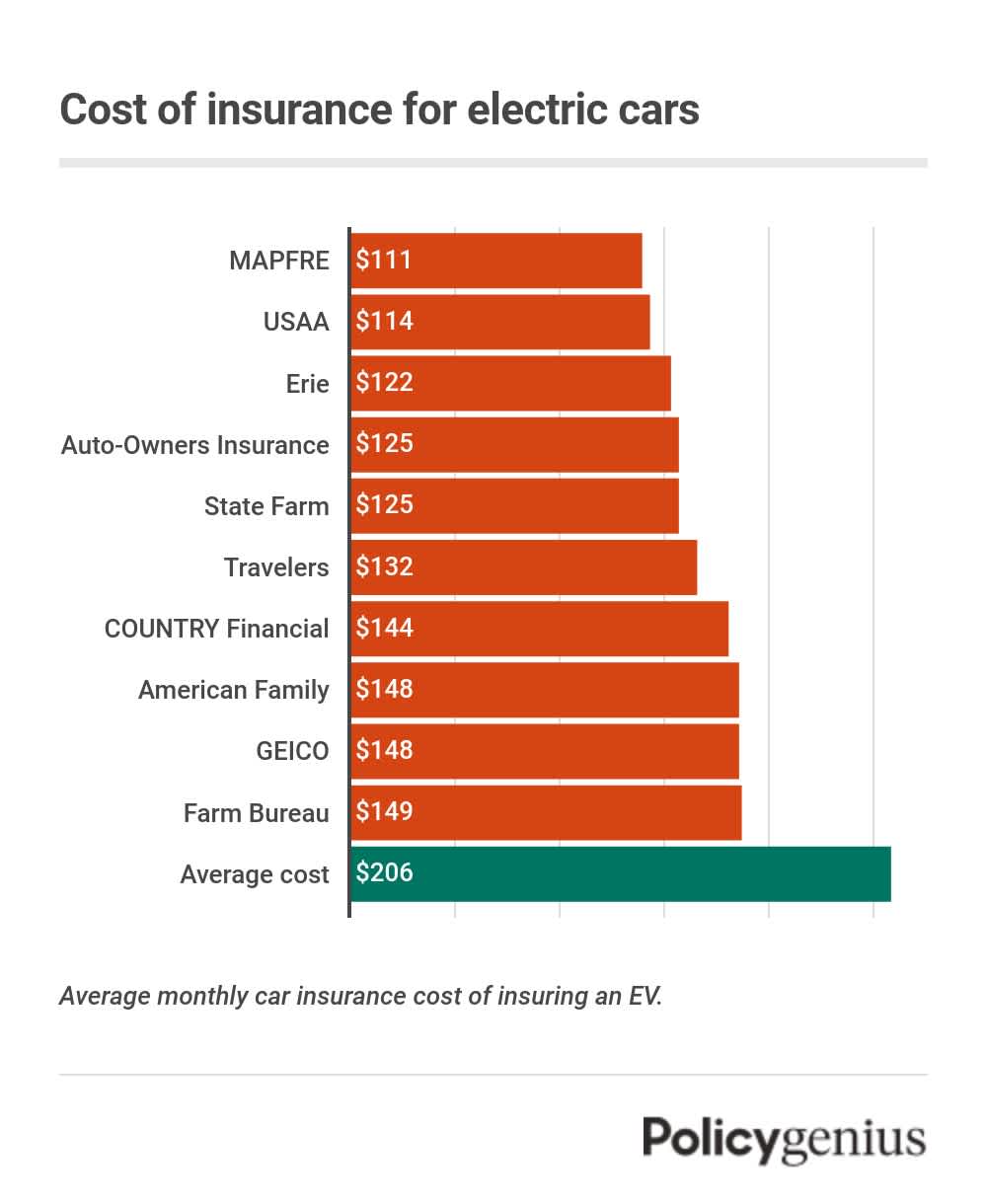
Worldreview1989 - Electric vehicles (EVs) are gaining popularity in the United States due to their environmental benefits and lower fuel costs. However, one aspect that many potential EV buyers overlook is how much it costs to insure an electric car compared with a traditional gasoline-powered vehicle. In this comprehensive guide, we break down the insurance cost comparison between EVs and internal combustion engine (ICE) cars, highlight key factors influencing pricing, and offer insights to help you make a financially smart decision in 2026.
1. How Much Does It Cost to Insure an Electric Car in the US?
Recent data shows that the average annual insurance cost for electric vehicles in the United States is significantly higher than that of gasoline cars:
EV average annual insurance: around $4,058
Gas-powered average annual insurance: around $2,732
(based on aggregated insurance quote data) (Insurify)
This means that, on average, insuring an EV costs roughly 49% more than insuring a traditional gasoline vehicle. (Insurify)
Popular EV Insurance Premiums vs. Gas Cars
According to AutoInsurance.com, here are sample annual premiums for some common electric and gas vehicles:
| Electric Vehicles | Estimated Annual Insurance Cost |
|---|---|
| Tesla Model Y | $3,338 |
| Tesla Model 3 | $3,575 |
| Chevrolet Bolt | $2,211 |
| Volkswagen ID.4 | $2,262 |
| Ford Mustang Mach-E | $2,525 |
| Gas Vehicles | Estimated Annual Insurance Cost |
|---|---|
| Chevrolet Silverado | $1,989 |
| Honda CR-V | $1,509 |
| Toyota RAV4 | $1,939 |
| Toyota Camry | $1,744 |
| Ford F-150 | $1,863 |
| (figures from AutoInsurance.com comparison calculator) (AutoInsurance.com) |
2. Why Are EV Insurance Rates Higher?
There are multiple reasons why insurers often charge more for electric vehicles:
a. Higher Repair and Replacement Costs
Electric vehicles generally involve more expensive parts—especially batteries and specialized electronics—which boosts insurance expenses:
Repair costs for EVs can be 30–50% higher than those for gas cars.
Dealership or certified repair technicians are required for many EV repairs. (CarVira)
b. Vehicle Value and Risk Assessment
Insurers base premiums on expected claim payouts, and since EVs typically cost more to buy and repair, premiums are adjusted upward. Higher-value electric models like Tesla often show higher claim frequencies, further impacting premiums. (Yahoo! Autos)
c. Location Behind Pricing Differences
Insurance premiums differ by state. For example, states with fewer EVs and limited infrastructure like Arkansas may have higher EV insurance rates due to limited repair networks. (Yahoo! Autos)
3. Regional Variations and Trends
Insurance costs are not uniform across the US. Some states see much higher premiums due to regulatory environments, accident rates, and repair availability:
Expensive EV Insurance States
Michigan
Louisiana
Florida
California
(according to regional cost data) (CarVira)
More Affordable EV Insurance States
Vermont
Maine
Idaho
Iowa
(also based on regional averages) (CarVira)
4. Are EV Insurance Costs Getting Better Over Time?

The insurance landscape is evolving:
✔ According to a 2026 industry comparison, insurance premiums for some EVs may become more competitive as battery costs decline and EV repair networks grow. EV owners with advanced safety tech may also qualify for discounts. (premiumpolicyrates.com)
✔ However, recent reports still indicate the overall trend of higher EV insurance costs compared to gas cars. (Insurify)
5. Tips for Reducing EV Insurance Premiums
If you’re considering an EV, you can still manage insurance costs:
📉 Shop Around for Quotes
Insurance premiums can vary significantly between providers. Comparing at least 3–5 companies may land you a better rate.
🚗 Take Advantage of Safety Features
Many EVs come standard with driver-assist technology which can qualify for discounts.
🧑💼 Maintain a Clean Driving Record
Good driving history and credit scores can lower premiums on EV auto policies.
⚖ Choose the Right Coverage Level
Balance between coverage and affordability—adjusting deductibles and policy limits can sometimes yield lower payments.
Conclusion
Electric vehicles offer excellent environmental benefits and lower long-term fuel costs, but potential buyers should weigh insurance premiums carefully when budgeting for total ownership costs. In the United States, EV insurance is generally higher than that of gas-powered cars due to higher repair and replacement costs, vehicle value, and regional infrastructure limitations. With market changes and evolving insurance practices by 2026, savvy shoppers can still find competitive coverage and reduce expenses with the right strategy.
Sources & Further Reading
AutoInsurance.com – Gas vs Electric Car Cost Comparison Calculator
https://www.autoinsurance.com/calculators/gas-vs-electric-car/ (AutoInsurance.com)Insurify Report – EVs Cost 49% More to Insure Than Gas Cars
https://insurify.com/car-insurance/report/electric-vehicle-insurance-costs/ (Insurify)PremiumPolicyRates – EV Insurance vs Gas Car Insurance 2026
https://premiumpolicyrates.com/ev-insurance-vs-gas-car-insurance-2026/ (premiumpolicyrates.com)
About the Author
David Mulyana is the founder and editor of WorldReview1989, an independent publication dedicated to finance, investing, insurance, business, technology, and digital marketing.
He researches and writes in-depth articles that help readers understand complex financial topics through clear explanations, practical insights, and data-driven analysis. His editorial focus includes stock market investing, cryptocurrencies, banking, personal finance, business insurance, real estate, startup strategies, and emerging technology trends.
Every article published on WorldReview1989 is created with a commitment to accuracy, transparency, and reader value. Content is reviewed regularly to reflect the latest market developments, industry updates, and publicly available information from trusted sources.
Editorial Principles
- Accuracy before speed
- Independent and unbiased analysis
- Clear, easy-to-understand explanations
- Information supported by reputable public sources
- Regular updates to maintain content relevance
Areas of Expertise
- Personal Finance
- Investing & Stock Market
- Cryptocurrency & Blockchain
- Insurance
- Banking
- Real Estate
- Business & Entrepreneurship
- Digital Marketing
- Financial Technology (FinTech)
About WorldReview1989
WorldReview1989 provides educational content for readers seeking reliable information about finance, investment opportunities, insurance, business strategies, and technology. The website aims to simplify complex financial concepts and empower readers to make informed decisions.
Disclaimer: The information published on WorldReview1989 is for educational and informational purposes only. It should not be considered financial, legal, tax, or investment advice. Readers should consult qualified professionals before making financial decisions.
David Mulyana writes about stocks, financial markets, investment strategies, insurance and emerging-market opportunities, with a focus on helping readers understand financial data and investment risks.