Comprehensive Guide to Investment Products in the USA: Stocks, ETFs, Mutual Funds, Bonds & Real Estate

Comprehensive Guide to Investment Products in the USA: Stocks, ETFs, Mutual Funds, Bonds & Real Estate
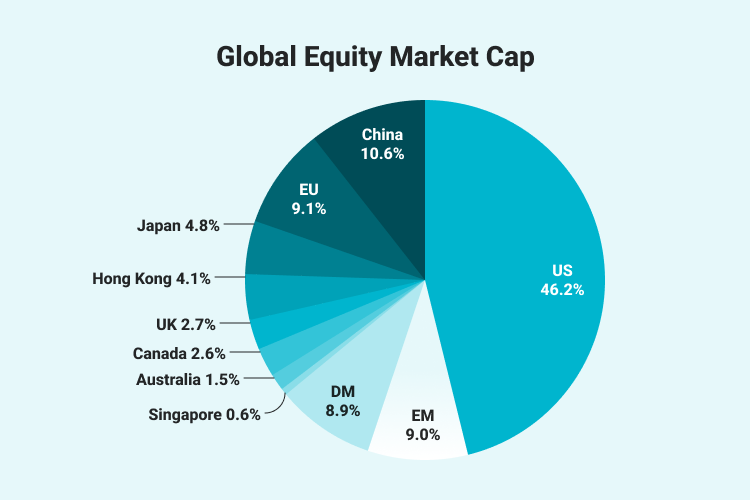
Worldreview1989 - Maximize your financial growth with smart choices. Investing in the United States offers a broad range of powerful wealth-building products, each with distinct risk/return profiles and strategic advantages.
📍 Table of Contents
What Is Investing?
Why Invest in the USA?
Overview of Top U.S. Investment Products
Stocks
ETFs
Mutual Funds
Bonds
Real Estate
Side-by-Side Comparison
Which Is Right for You?
How To Start (with Platforms & Tools)
Investment Risks (Risk Disclaimer)
Conclusion
Author Bio
1. What Is Investing?
Investing means allocating money with the intention of generating income or profit over time. Unlike saving (holding cash), investing exposes your capital to potential gains and losses.
📌 Official definition from U.S. Securities and Exchange Commission:
➡️ https://www.sec.gov/investor/alerts/ib_investmentproducts
Read Also :
Low-Cost vs High-Return Franchise in the USA: Which One Wins?
Top 5 Most Profitable Franchise Businesses in the USA — 2026 Guide (With ROI Insights)
Dunkin’ vs Starbucks: Franchise Cost, Profit & Risk Comparison (2026 Guide)
2. Why Invest in the USA?
The United States remains one of the most diversified and liquid financial markets in the world, backed by regulatory bodies like:
U.S. Securities and Exchange Commission (SEC) – https://www.sec.gov
Financial Industry Regulatory Authority (FINRA) – https://www.finra.org
Federal Reserve – https://www.federalreserve.gov
Benefits include:
✔ Deep capital markets
✔ Transparency & strong regulation
✔ Access to global companies
✔ Variety of products for different goals
3. Overview of Top U.S. Investment Products
📈 Stocks
Definition: Shares of individual companies traded on exchanges like NYSE or NASDAQ.
Key Features:
Ownership in a company
Potential dividends + capital gains
High liquidity
Examples: Apple (AAPL), Microsoft (MSFT)
Official Price Data:
➡️ https://www.nasdaq.com/market-activity/stocks
📊 Exchange Traded Funds (ETFs)
Definition: Investment funds traded like stocks, but holding diversified portfolios.
Advantages:
✔ Lower expense ratios than many mutual funds
✔ Easy diversification
✔ Tax-efficient
✔ Traded intraday
Popular U.S. ETFs:
SPY – S&P 500
QQQ – Nasdaq-100
Learn More:
➡️ https://www.investor.gov/introduction-investing/investing-basics/investment-products/etfs
📦 Mutual Funds
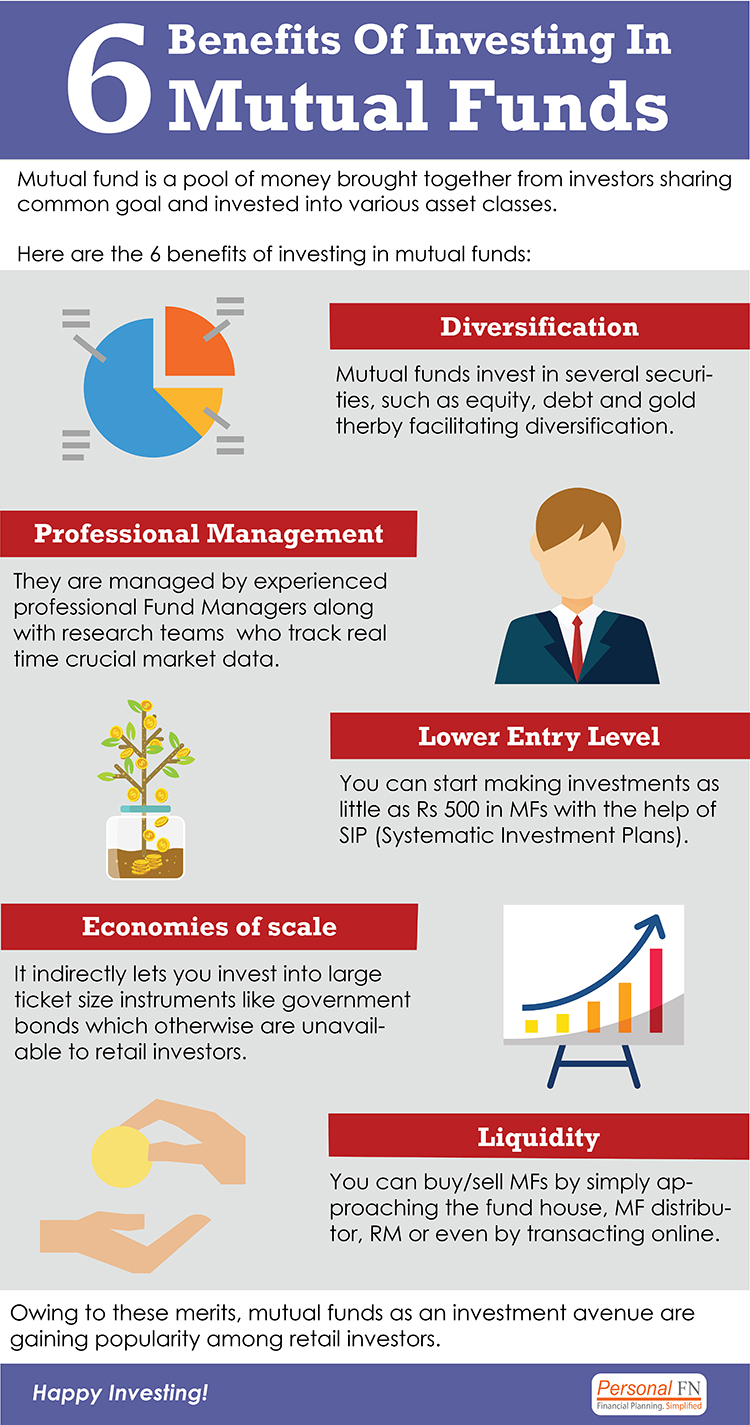
Definition: Pools of money managed by professionals, investing in diversified portfolios.
Perks:
✔ Managed by experts
✔ Access to broad strategies
✔ Automatic reinvestments
Cons:
❌ Often higher fees than ETFs
Source:
➡️ https://www.investor.gov/introduction-investing/investing-basics/investment-products/mutual-funds
💵 Bonds
Definition: Loans you make to governments or corporations in exchange for periodic interest.
Types:
U.S. Treasuries (safest)
Municipal bonds
Corporate bonds
Official Yields:
➡️ https://www.treasury.gov/resource-center/data-chart-center/interest-rates
🏠 Real Estate
Formats:
✔ Direct property
✔ REITs (Real Estate Investment Trusts)
✔ Real estate crowdfunding
Benefits:
Cash flow (rent)
Inflation hedge
Tax advantages
Learn More:
➡️ https://www.investor.gov/introduction-investing/investing-basics/investment-products/real-estate
4. Side-by-Side Comparison
| Feature / Product | Stocks | ETFs | Mutual Funds | Bonds | Real Estate |
|---|---|---|---|---|---|
| Diversification | ❌ | ✔ | ✔ | ✔ | ✔ |
| Liquidity | Very High | High | Moderate | Varies | Low/Moderate |
| Management Fees | Low | Low | Medium | Low | Variable |
| Income Potential | High | Medium | Medium | Fixed | High |
| Risk Level | High | Medium | Medium | Low-Medium | Medium-High |
5. Which Is Right for You?
Investors Seeking Growth
➡️ Stocks or Growth-focused ETFs
Investors Seeking Diversification
➡️ ETFs or Mutual Funds
Investors Prioritizing Safety
➡️ Government Bonds & High-grade Corporate Bonds
Investors Seeking Passive Income
➡️ REITs & Dividend Stocks
Long-Term Retirement Planners
➡️ Target-date mutual funds + diversified ETFs
6. How To Start (Platforms & Tools)
To begin investing, you’ll need a brokerage or platform. Look for:
✅ Low commissions
✅ Research tools
✅ Good mobile UI
✅ Educational resources
👉 Compare top US investment platforms:
🔹 Fidelity
🔹 Charles Schwab
🔹 Vanguard
🔹 E*TRADE
🔹 TD Ameritrade
CTA: 👉 Compare investment platforms
📌 Always check current fees, promotions, and service availability before opening an account.
7. Investment Risks (Risk Disclaimer)
⚠️ Risk Disclaimer:
Investing involves risk. Securities, ETFs, mutual funds, bonds, and real estate can lose value. Past performance does not guarantee future returns. Consider your financial situation and consult a licensed advisor before investing.
For official risk disclosures, visit:
➡️ https://www.sec.gov/investor/alerts
8. Conclusion
Choosing the right investment product depends on your financial goals, risk tolerance, timeline, and tax situation. The U.S. market provides a robust ecosystem with options for aggressive growth or conservative income.
By understanding the differences — and using tools like diversified ETFs and professional platforms — you can tailor an investment strategy that works for you.
About the Author
David Mulyana is the founder and editor of WorldReview1989, an independent publication dedicated to finance, investing, insurance, business, technology, and digital marketing.
He researches and writes in-depth articles that help readers understand complex financial topics through clear explanations, practical insights, and data-driven analysis. His editorial focus includes stock market investing, cryptocurrencies, banking, personal finance, business insurance, real estate, startup strategies, and emerging technology trends.
Every article published on WorldReview1989 is created with a commitment to accuracy, transparency, and reader value. Content is reviewed regularly to reflect the latest market developments, industry updates, and publicly available information from trusted sources.
Editorial Principles
- Accuracy before speed
- Independent and unbiased analysis
- Clear, easy-to-understand explanations
- Information supported by reputable public sources
- Regular updates to maintain content relevance
Areas of Expertise
- Personal Finance
- Investing & Stock Market
- Cryptocurrency & Blockchain
- Insurance
- Banking
- Real Estate
- Business & Entrepreneurship
- Digital Marketing
- Financial Technology (FinTech)
About WorldReview1989
WorldReview1989 provides educational content for readers seeking reliable information about finance, investment opportunities, insurance, business strategies, and technology. The website aims to simplify complex financial concepts and empower readers to make informed decisions.
Disclaimer: The information published on WorldReview1989 is for educational and informational purposes only. It should not be considered financial, legal, tax, or investment advice. Readers should consult qualified professionals before making financial decisions.
David Mulyana writes about stocks, financial markets, investment strategies, insurance and emerging-market opportunities, with a focus on helping readers understand financial data and investment risks.
Comments
Post a Comment