
Is Bitcoin Legal in Every U.S. State in 2026? A Complete Guide for Investors
By Azka – Financial Enthusiast
Bitcoin’s adoption and regulation in the United States continue to evolve rapidly. With shifting federal frameworks, emerging state laws, and new policies shaping the digital asset landscape, many Americans ask:

➡️ Is Bitcoin legal in every U.S. state in 2026?
➡️ What regulatory differences should you know before investing?
In this comprehensive article, we break down Bitcoin’s legal status in all 50 states, compare regulatory approaches, and help you understand what it means for investors and crypto users across the U.S.
📌 Important: This article includes official links to the relevant federal and state bodies and trusted industry sources to ensure accurate and up-to-date information. Some state laws are in flux and subject to legislative change in 2026. (Global Ledger and Value eXplorer)
🧠 Executive Summary: Bitcoin Legality in the U.S. 2026
| Jurisdiction | Is BTC Legal? | Can you trade BTC? | Use as payment? | Special State Laws |
|---|---|---|---|---|
| Federal (USA) | ✅ Legal to buy/hold | Yes (regulated) | Not legal tender | Treated as property by the IRS |
| Crypto-Friendly States | ✅ Legal + innovation laws | Yes | Yes | Regulatory sandboxes (e.g., Arizona) |
| Neutral States | ⚪ Legal but little regulation | Yes | Yes | Standard money transmission laws |
| Restrictive States | ⚠️ Legal but restricted use | Yes (limited) | Varies | Some government adoption bans |
| Total U.S. States | No BTC ban in any state | — | — | — |
Key Point:
As of 2026, Bitcoin is legal in every U.S. state — meaning no state outright bans Bitcoin ownership, trading, or self-custody. The legal environment is shaped both by federal regulation and a patchwork of state-level rules. (Cointelegraph)
🇺🇸 Federal Perspective on Bitcoin Legality
At the federal level, Bitcoin (BTC) is not illegal in the United States:
📌 Federal Legal Standpoints
✔️ Bitcoin is fully legal to buy, sell, hold, and trade in the U.S. (99Bitcoins)
✔️ Bitcoin is not legal tender (U.S. dollar remains the only legal tender). (Cointelegraph)
✔️ The Internal Revenue Service (IRS) classifies Bitcoin as property for tax purposes. (99Bitcoins)
✔️ Federal agencies such as the Securities and Exchange Commission (SEC), Commodity Futures Trading Commission (CFTC), and FinCEN regulate exchanges, compliance, and anti-money-laundering rules. (Cointelegraph)
👉 Trusted Source:
– U.S. legislation and federal cryptocurrency guidelines on Congress.gov — official legal texts. Bitcoin Act of 2025 – text of bill H.R.2032 (Library of Congress)
📊 Important: Although federal law does not ban Bitcoin, state laws can vary widely in how they regulate digital assets, including licensing, consumer protection, and government use.
📍 State-by-State Snapshot in 2026
Below are key categories of states based on their approach to Bitcoin and crypto:
🟢 1. Crypto-Friendly States
These states actively support Bitcoin investment, innovation, and use through clear regulatory frameworks:
Arizona – Regulatory sandbox for crypto companies. (Global Ledger and Value eXplorer)
Wyoming – Known for pro-crypto frameworks like SPDI banking. (Global Ledger and Value eXplorer)
Texas – Passed a Texas Strategic Bitcoin Reserve law in 2025, showing strong institutional support. (Wikipedia)
⚪ 2. Neutral Regulation States
These states allow Bitcoin but have limited state-specific crypto laws:
Montana, Vermont, North Dakota – No specific crypto laws but Bitcoin remains legal under general statutes. (Global Ledger and Value eXplorer)
🔶 3. States with Mixed Rules
Some states allow Bitcoin but place stricter limits or new requirements:
Connecticut – Passed a law banning crypto use in state government operations. (Reddit)
Colorado, Massachusetts – Have discussions on reserve funds but varying compliance frameworks. (Decrypt)
⚠️ 4. States with Restrictions
Although none ban Bitcoin, some states impose specific limits or licensing barriers.
Important to know: No state has passed a law prohibiting Bitcoin ownership outright as of 2026. (Cointelegraph)
📊 Which Regulations Matter Most?
| Regulation | What It Means |
|---|---|
| Money Transmission Laws | Require exchanges & crypto businesses to obtain licenses. |
| Bitcoin Reserve Laws | Some states allow public funds to hold BTC (e.g., New Hampshire, Texas), signaling broader acceptance. (Bitrue) |
| Sandbox Permits | Allow startups to test crypto products with reduced compliance. (Global Ledger and Value eXplorer) |
📌 Which Is Right for You?
Whether Bitcoin is suitable for you depends on your goals:
📈 If You’re a Long-Term Investor
Look for crypto-friendly states with investor protection laws.
Consider platforms allowed under federal regulation and licensed in your state.
💼 If You’re a Trader
Choose exchanges compliant with your state’s money transmission licensing.
Prioritize platforms subject to KYC/AML, regulated under FinCEN rules.
🏢 If You’re a Business Owner
Accept Bitcoin payments where legal — but check state and local tax reporting obligations.
Implement secure custody and accounting systems.
📌 Risk Disclaimer
Bitcoin and other cryptocurrencies are highly volatile and carry financial risk. Regulatory environments are evolving and may impact your investments. This article is for informational purposes only and does not constitute financial or legal advice. Always consult a professional advisor when making investment decisions.
👉 Call To Action
🔍 Compare investment platforms to find one that meets your regulatory requirements.
📊 Check current rates before trading or investing.
📸 Bitcoin Investment Products & Platforms (USA Audience)
Here is an illustrative example of popular Bitcoin investment products you might use in the U.S. market:
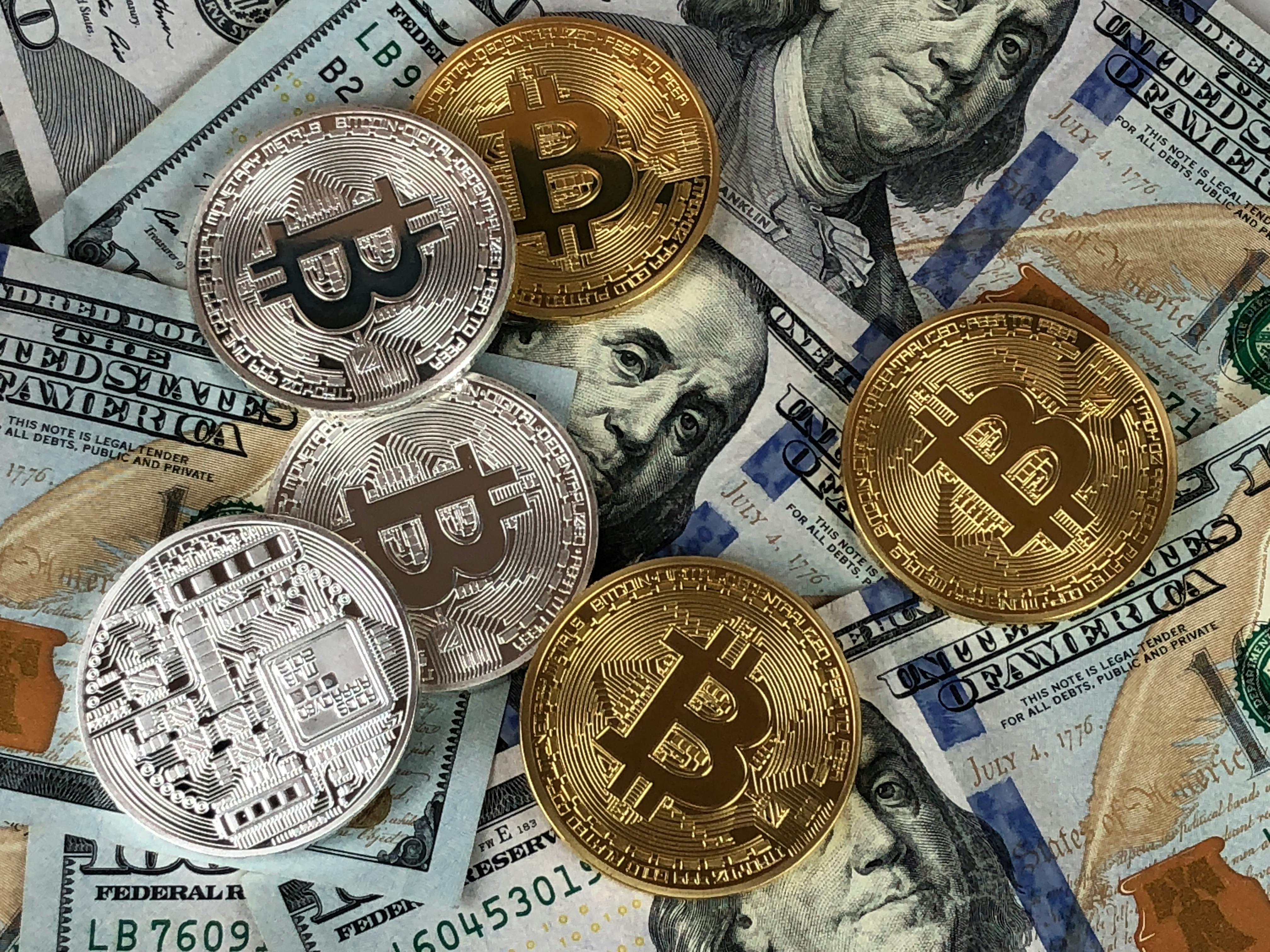
Example: Bitcoin chart on a mobile trading app (Image for illustrative purposes)
About the Author
David Mulyana is the founder and editor of WorldReview1989, an independent publication dedicated to finance, investing, insurance, business, technology, and digital marketing.
He researches and writes in-depth articles that help readers understand complex financial topics through clear explanations, practical insights, and data-driven analysis. His editorial focus includes stock market investing, cryptocurrencies, banking, personal finance, business insurance, real estate, startup strategies, and emerging technology trends.
Every article published on WorldReview1989 is created with a commitment to accuracy, transparency, and reader value. Content is reviewed regularly to reflect the latest market developments, industry updates, and publicly available information from trusted sources.
Editorial Principles
- Accuracy before speed
- Independent and unbiased analysis
- Clear, easy-to-understand explanations
- Information supported by reputable public sources
- Regular updates to maintain content relevance
Areas of Expertise
- Personal Finance
- Investing & Stock Market
- Cryptocurrency & Blockchain
- Insurance
- Banking
- Real Estate
- Business & Entrepreneurship
- Digital Marketing
- Financial Technology (FinTech)
About WorldReview1989
WorldReview1989 provides educational content for readers seeking reliable information about finance, investment opportunities, insurance, business strategies, and technology. The website aims to simplify complex financial concepts and empower readers to make informed decisions.
Disclaimer: The information published on WorldReview1989 is for educational and informational purposes only. It should not be considered financial, legal, tax, or investment advice. Readers should consult qualified professionals before making financial decisions.
David Mulyana writes about stocks, financial markets, investment strategies, insurance and emerging-market opportunities, with a focus on helping readers understand financial data and investment risks.