
Real Estate Investment Comparison: Active vs. Passive Property Businesses

Maximize your investment strategy by understanding the key differences between active and passive real estate investing, including risk profiles, earning potential, and how to choose the best path for your financial goals.
Introduction
Worldreview1989 - When building long-term wealth in real estate, investors face a fundamental choice: Active Real Estate Investing or Passive Property Investing. Both strategies have distinct advantages, risk profiles, and income potential — and which one is right for you depends on your time commitment, financial goals, and risk tolerance.
Read Also :
The Ultimate Guide to Property Investment in the U.S. in 2026: Trends, Data & Strategies
Small Capital Real Estate Investment Strategies in the United States
The Diverse Landscape of Real Estate Business Models
The Multifaceted Utility of Property: A Foundation of Society and Economy
The Treacherous Terrain: Understanding the Risks of Property Investment
What Is Active Real Estate Investing?
Active real estate investing requires hands-on involvement in acquiring, managing, and optimizing properties. These can include:
Rental properties (single-family homes, duplexes)
Fix-and-flip projects
Short-term rentals (e.g., Airbnb)
Commercial property management
🎯 Who it’s for: Investors who enjoy property management, renovation projects, and direct control of assets.
📌 Official resource: Internal Revenue Service (IRS) – Real Estate Tax Center (https://www.irs.gov/businesses/small-businesses-self-employed/real-estate-tax-center)

What Is Passive Real Estate Investing?
Passive real estate investing allows investors to earn returns without daily involvement. Typical avenues include:
Real Estate Investment Trusts (REITs)
Real estate crowdfunding platforms
Syndications and private equity funds
Mortgage-backed securities
🎯 Who it’s for: Investors seeking exposure to real estate markets without hands-on management.
📌 Official resource: U.S. Securities and Exchange Commission (SEC) – REITs and Real Estate Investing (https://www.sec.gov/spotlight/real-estate-investment-trusts)
Active vs. Passive: Key Differences
| Feature | Active Real Estate Investing | Passive Real Estate Investing |
|---|---|---|
| Time Commitment | High | Low |
| Control Over Properties | Full | Minimal |
| Income Predictability | Variable | Typically Steady |
| Management Responsibilities | Yes | No |
| Liquidity | Relatively Low | Higher (especially REITs) |
| Tax Complexity | Higher | Moderate |
| Initial Investment Required | Often Higher | Moderate to Low |
| Best For | Hands-on investors | Hands-off investors |
Which Is Right for You?
Choosing between active and passive strategies isn’t just about returns — it’s about your lifestyle, goals, and cash flow needs.
🔹 Active investing may suit you if:
You want full control over property decisions.
You enjoy hands-on work.
You’re targeting higher long-term returns through improvements and optimization.
🔹 Passive investing may suit you if:
You want income with minimal daily involvement.
You value liquidity and diversification.
You prefer professional managers handling assets.
💡 Tip: Many successful investors blend both strategies for balance and diversification.
Example Products for U.S. Investors
Here are representative investment platforms and tools — ideal for comparison and affiliate monetization:

Active Investing Platforms
Roofstock – Marketplace for single-family rental properties with tenant in place.
BiggerPockets Rental Property Calculator – Tool to analyze cash flow, ROI, and cap rate.
Passive Investing Platforms
Fundrise – Real estate crowdfunding with diversified portfolios.
CrowdStreet – Commercial real estate offerings for accredited investors.
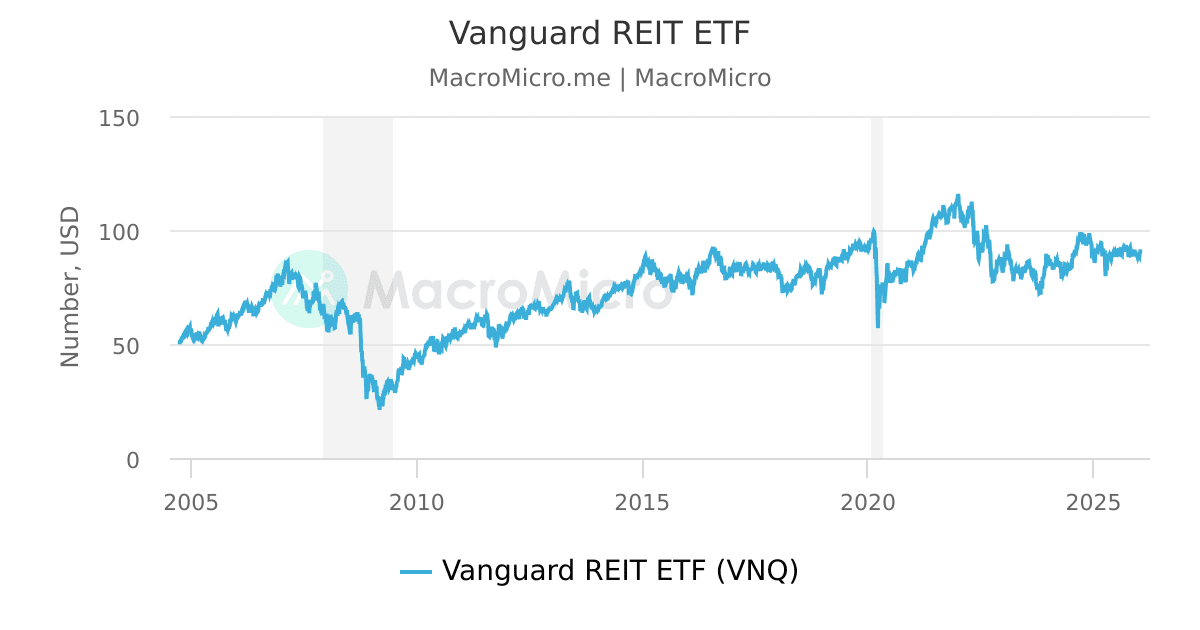
Vanguard Real Estate ETF (VNQ) – Publicly traded REIT ETF for broad market exposure.
👉 CTA: Compare investment platforms to find the best fit — from hands-on rentals to diversified passive portfolios.

Benefits of Combining Both Approaches
Many seasoned investors use a hybrid strategy:
Active investments for tax advantages and control.
Passive investments for diversification and hands-off cash flow.
By balancing both, you can optimize risk vs. reward and create a resilient portfolio.
Risks and Considerations
📌 Risk Disclaimer:
Investing in real estate — whether active or passive — involves risk including loss of principal. Past performance is not indicative of future results. Always consult financial, tax, and legal professionals before making investment decisions. Investments may not be suitable for all investors.
Key risks include:
Property value fluctuations
Interest rate changes
Liquidity constraints
Tenant vacancies and maintenance costs
Platform fees and sponsor risk (for crowdfunding)
For authoritative guidance, refer to:
SEC Investor Bulletin: REITs (https://www.sec.gov/oiea/investor-alerts-and-bulletins/ib_reits)
U.S. Department of Housing and Urban Development (HUD) (https://www.hud.gov)
Conclusion
Choosing between active and passive real estate investment strategies comes down to your goals, time, and financial preferences.
Active investing offers control and potential higher returns — but demands involvement.
Passive investing offers simplicity and diversification — ideal for many investors.
Whether you’re just starting or scaling a portfolio, understanding these differences helps you make smarter, strategic decisions.
👉 Ready to make your move?
Check current rates on top passive platforms and compare investment platforms now!
About the Author
David Mulyana is the founder and editor of WorldReview1989, an independent publication dedicated to finance, investing, insurance, business, technology, and digital marketing.
He researches and writes in-depth articles that help readers understand complex financial topics through clear explanations, practical insights, and data-driven analysis. His editorial focus includes stock market investing, cryptocurrencies, banking, personal finance, business insurance, real estate, startup strategies, and emerging technology trends.
Every article published on WorldReview1989 is created with a commitment to accuracy, transparency, and reader value. Content is reviewed regularly to reflect the latest market developments, industry updates, and publicly available information from trusted sources.
Editorial Principles
- Accuracy before speed
- Independent and unbiased analysis
- Clear, easy-to-understand explanations
- Information supported by reputable public sources
- Regular updates to maintain content relevance
Areas of Expertise
- Personal Finance
- Investing & Stock Market
- Cryptocurrency & Blockchain
- Insurance
- Banking
- Real Estate
- Business & Entrepreneurship
- Digital Marketing
- Financial Technology (FinTech)
About WorldReview1989
WorldReview1989 provides educational content for readers seeking reliable information about finance, investment opportunities, insurance, business strategies, and technology. The website aims to simplify complex financial concepts and empower readers to make informed decisions.
Disclaimer: The information published on WorldReview1989 is for educational and informational purposes only. It should not be considered financial, legal, tax, or investment advice. Readers should consult qualified professionals before making financial decisions.
David Mulyana writes about stocks, financial markets, investment strategies, insurance and emerging-market opportunities, with a focus on helping readers understand financial data and investment risks.