
UGOR Crypto Blockchain Network: Complete Guide to the United Global Oil Reserve Token

The blockchain industry continues to evolve rapidly as new projects attempt to tokenize real-world assets and bring them onto decentralized networks. One of the emerging experimental tokens gaining attention is UGOR Crypto, also known as United Global Oil Reserve (UGOR).
UGOR is designed as a blockchain-based concept token that aims to explore how energy assets such as oil reserves could be represented and tracked on-chain. By combining blockchain technology with digital commodities, the project seeks to experiment with new financial infrastructure for global resource management.
In this comprehensive guide, we’ll explain:
What the UGOR crypto blockchain network is
How the token works
Potential use cases in the energy sector
Benefits and risks for investors
How it compares to other blockchain projects
What Is UGOR Crypto?
United Global Oil Reserve (UGOR) is a cryptocurrency token created on the Solana blockchain designed to experiment with tokenized energy assets. The project concept focuses on recording and managing oil reserve-related data and supply chain credentials using blockchain technology. (Bitget)
The core idea behind UGOR is simple:
Convert oil reserve value into digital tokens
Store records on a decentralized ledger
Enable trading or financial products linked to energy reserves
This concept is part of a broader trend known as Real World Asset (RWA) tokenization , where commodities, real estate, or financial assets are represented on blockchain networks.
According to available data, the token operates on the Solana ecosystem, a high-performance blockchain known for low transaction fees and high-speed processing. (SOLYZER)
Why Blockchain Matters for Energy Assets
Blockchain technology is increasingly used for industries that require transparent and immutable records. A blockchain acts as a distributed ledger where transactions are recorded permanently and verified by a decentralized network. (Urban Crypto)
For energy assets like oil reserves, blockchain can provide:
Transparency
Every transaction or asset record is visible on-chain.
Security
Cryptographic verification protects the integrity of data.
Efficiency
Automation using smart contracts reduces administrative overhead.
Global Accessibility
Investors worldwide can potentially access tokenized commodities.
These features make blockchain an attractive technology for modernizing global commodity markets.
How the UGOR Blockchain Token Works
Although still experimental, the UGOR ecosystem generally includes several core components:
1. Tokenized Oil Reserve Concept
UGOR tokens represent a digital representation of oil reserves or energy assets stored on blockchain.
2. Decentralized Trading
Tokens can potentially be traded on decentralized exchanges (DEXs) within the Solana ecosystem.
3. Smart Contracts
Automated smart contracts manage transactions, transfers, and potential financial products.
4. Community Governance
Token holders may influence future development decisions.
UGOR Tokenomics Overview
| Metric | Value |
|---|---|
| Token Name | United Global Oil Reserve |
| Ticker | UGOR |
| Blockchain | Solana |
| Circulating Supply | ~999 million tokens |
| Market Concept | Tokenized energy assets |
| Primary Use | Trading, staking, transfers |
The token supply is close to 1 billion tokens, making it accessible to retail investors interested in speculative crypto assets. (Bitget)
Example Image of UGOR Token Dashboard
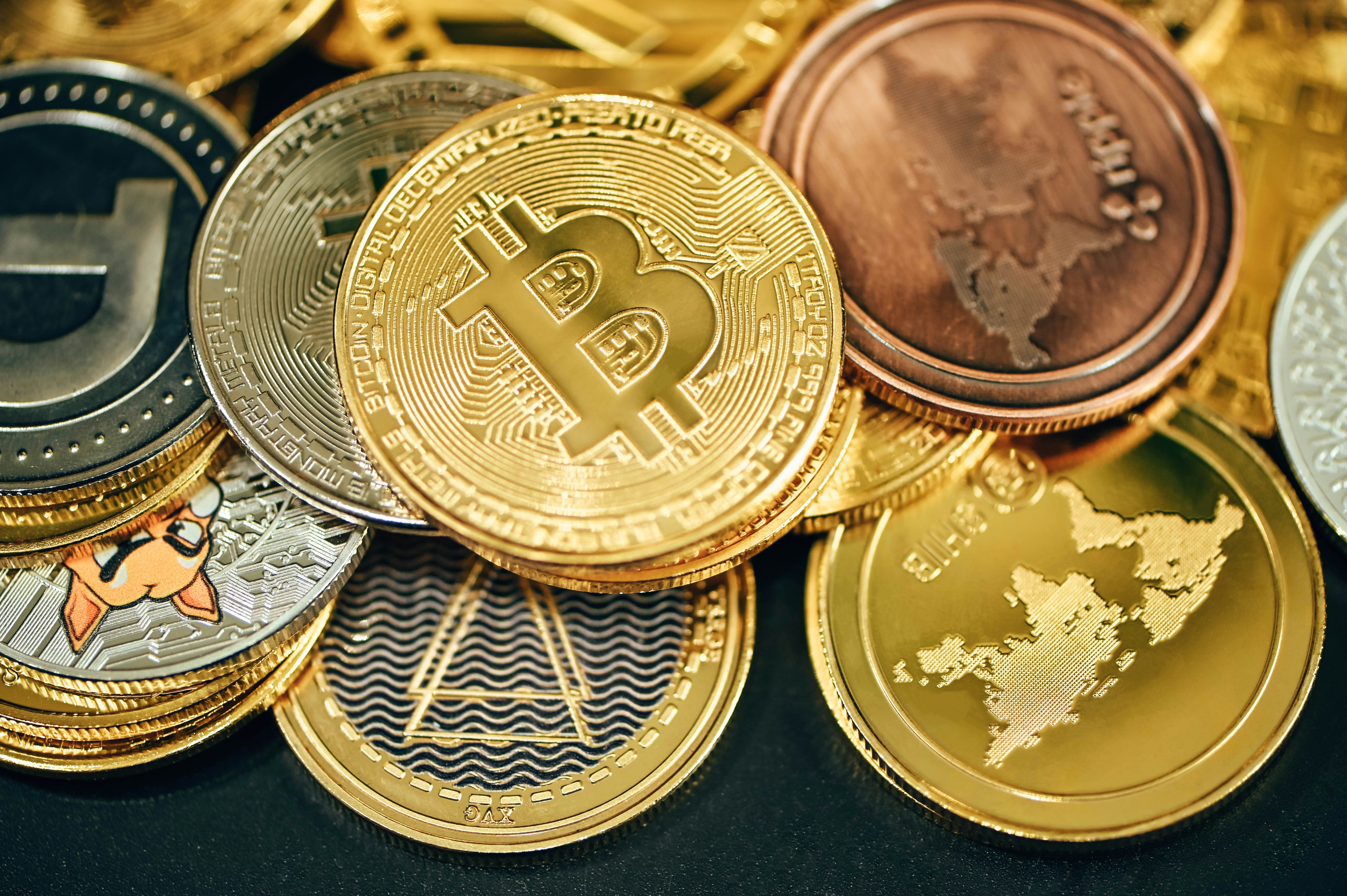
This illustration represents how blockchain analytics dashboards may display cryptocurrency token data such as price, liquidity, and trading activity.
Key Use Cases of UGOR Crypto
Although still early-stage, several potential applications exist.
1. Energy Asset Tokenization
Oil reserves or energy supply chain data could be represented as blockchain tokens.
2. Commodity Trading
Digital tokens could allow global investors to trade energy assets without traditional intermediaries.
3. Supply Chain Transparency
Blockchain could record:
Production
Transport
Storage
Distribution
4. Decentralized Finance (DeFi)
UGOR tokens may be used for:
Staking
Lending
Liquidity pools
Comparison Table: UGOR vs Other Blockchain Projects
| Feature | UGOR | Bitcoin | Ethereum |
|---|---|---|---|
| Primary Use | Energy asset tokenization | Digital currency | Smart contract platform |
| Blockchain | Solana | Bitcoin Network | Ethereum |
| Smart Contracts | Limited / Experimental | No | Yes |
| Supply Model | Fixed token supply | Limited supply (21M) | Variable |
| Use Case | Commodity tokenization | Store of value | DeFi & Web3 |
This comparison highlights how UGOR targets a niche market—tokenized energy assets—rather than serving as a general-purpose blockchain.
Advantages of UGOR Crypto
1. Real-World Asset Integration
Tokenizing commodities could connect traditional energy markets with blockchain finance.
2. Fast Blockchain Infrastructure
Because UGOR runs on Solana, transactions can be processed quickly and cheaply.
3. DeFi Compatibility
Tokens can potentially be integrated into decentralized finance platforms.
4. Global Accessibility
Investors worldwide could participate in energy-backed digital assets.
Risks and Challenges
While innovative, UGOR also carries significant risks.
1. Limited Transparency
Project details and team information remain limited.
2. Early Development Stage
Many tokenized commodity projects fail before reaching real-world adoption.
3. High Market Volatility
Crypto tokens often experience extreme price swings.
4. Regulatory Uncertainty
Commodity-backed tokens may face regulatory scrutiny.
Some blockchain analysis platforms currently classify the token as high-risk due to limited information and early-stage development. (SOLYZER)
Which Is Right for You?
Choosing whether to invest in UGOR or other crypto assets depends on your investment goals.
Consider UGOR if:
You are interested in early-stage crypto projects
You believe in tokenized commodity markets
You accept higher investment risk
Consider established cryptocurrencies if:
You prefer proven blockchain networks
You want higher liquidity
You seek lower risk compared to experimental tokens
Many investors build diversified crypto portfolios rather than relying on a single project.
How to Buy UGOR Crypto
Although availability may change, typical steps include:
Create a crypto wallet
Fund the wallet with SOL or stablecoins
Use a decentralized exchange (DEX) on the Solana network
Swap tokens for UGOR
You can also explore crypto education resources from organizations like:
These institutions provide information about digital asset markets and investor protection.
The Future of Tokenized Energy Assets
The concept behind UGOR is part of a broader movement toward tokenized real-world assets (RWA).
Major financial institutions are already exploring blockchain applications for:
commodities trading
carbon credits
supply chain finance
tokenized securities
If these technologies mature, blockchain could fundamentally change how global resource markets operate.
However, early-stage projects like UGOR still need to demonstrate real adoption, transparency, and regulatory compliance before reaching mainstream credibility.
Risk Disclaimer
Cryptocurrency investments are highly volatile and speculative. Prices can rise or fall dramatically within short periods.
Before investing:
Conduct your own research
Understand the project’s fundamentals
Never invest money you cannot afford to lose
This article is for educational purposes only and not financial advice.
CTA: Compare Investment Platforms
Interested in exploring cryptocurrency investments?
✔ Compare trusted crypto exchanges
✔ Review fees and security features
✔ Start with small amounts
Compare investment platforms and check current crypto rates before investing.
About the Author
David Mulyana is the founder and editor of WorldReview1989, an independent publication dedicated to finance, investing, insurance, business, technology, and digital marketing.
He researches and writes in-depth articles that help readers understand complex financial topics through clear explanations, practical insights, and data-driven analysis. His editorial focus includes stock market investing, cryptocurrencies, banking, personal finance, business insurance, real estate, startup strategies, and emerging technology trends.
Every article published on WorldReview1989 is created with a commitment to accuracy, transparency, and reader value. Content is reviewed regularly to reflect the latest market developments, industry updates, and publicly available information from trusted sources.
Editorial Principles
- Accuracy before speed
- Independent and unbiased analysis
- Clear, easy-to-understand explanations
- Information supported by reputable public sources
- Regular updates to maintain content relevance
Areas of Expertise
- Personal Finance
- Investing & Stock Market
- Cryptocurrency & Blockchain
- Insurance
- Banking
- Real Estate
- Business & Entrepreneurship
- Digital Marketing
- Financial Technology (FinTech)
About WorldReview1989
WorldReview1989 provides educational content for readers seeking reliable information about finance, investment opportunities, insurance, business strategies, and technology. The website aims to simplify complex financial concepts and empower readers to make informed decisions.
Disclaimer: The information published on WorldReview1989 is for educational and informational purposes only. It should not be considered financial, legal, tax, or investment advice. Readers should consult qualified professionals before making financial decisions.
David Mulyana writes about stocks, financial markets, investment strategies, insurance and emerging-market opportunities, with a focus on helping readers understand financial data and investment risks.